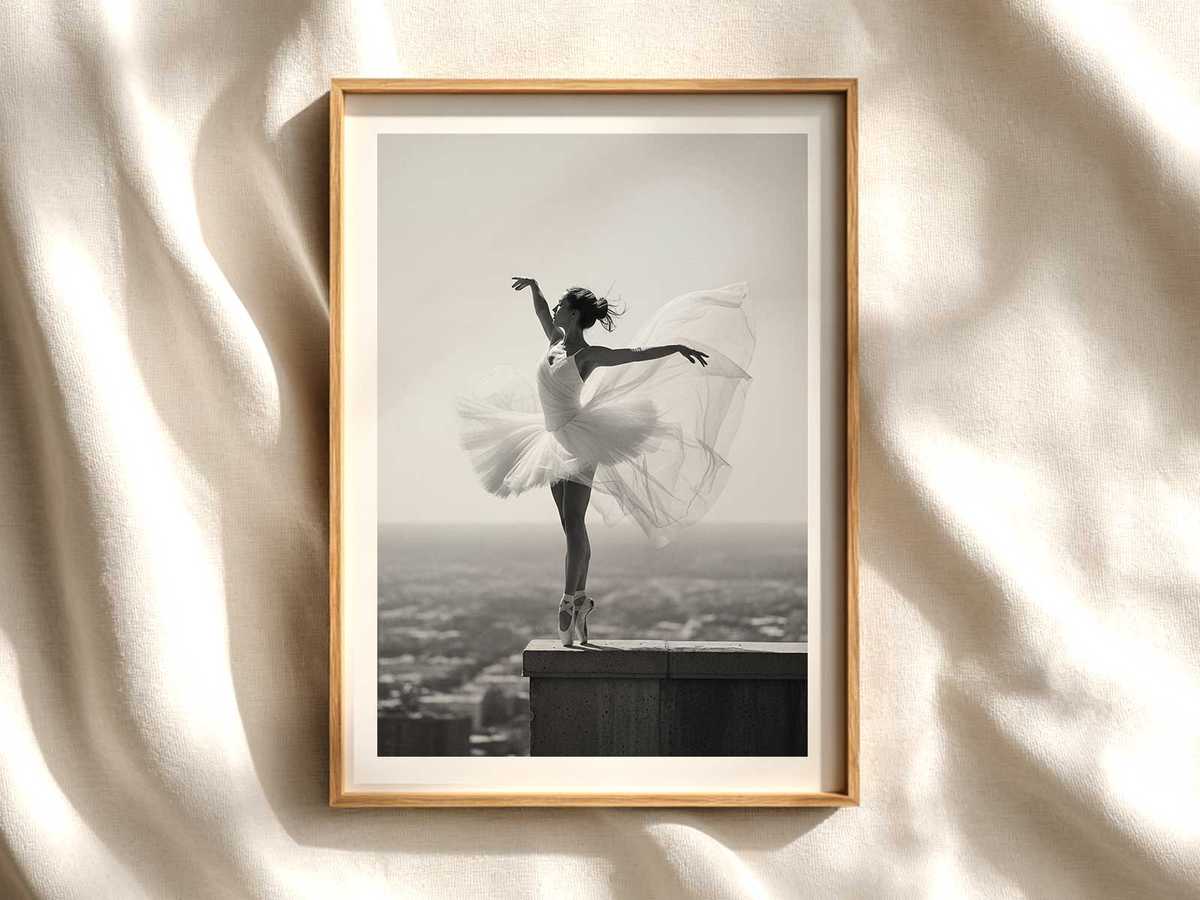
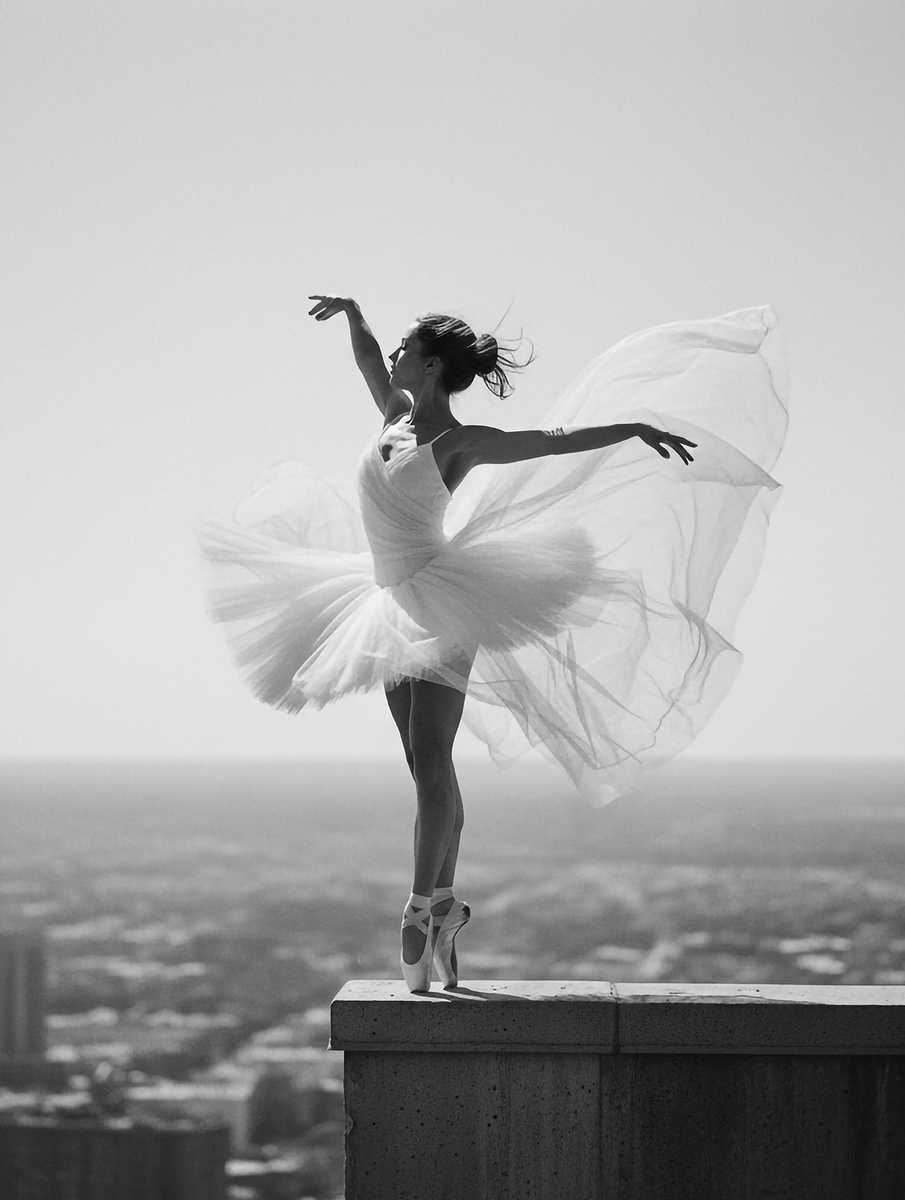
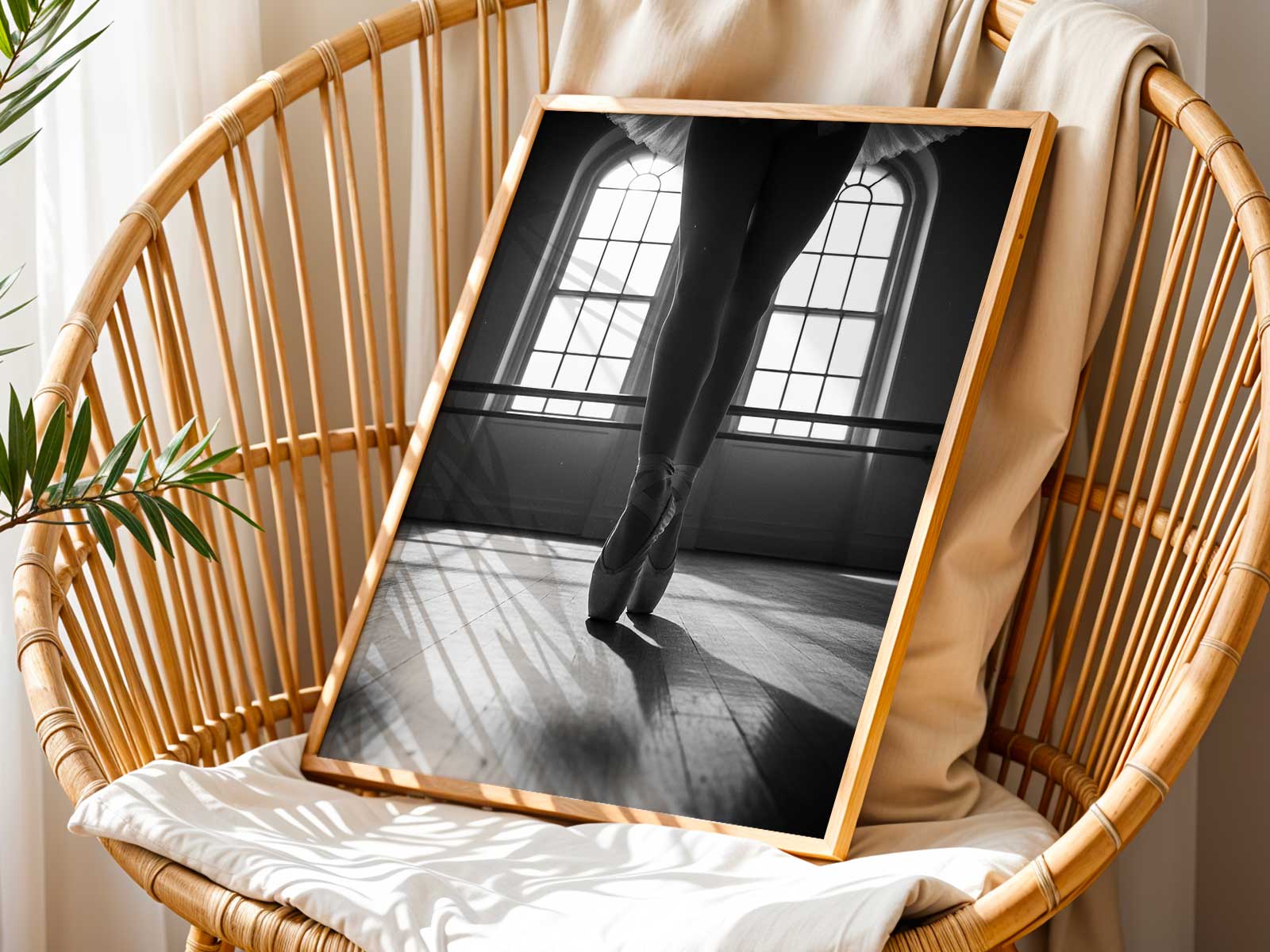
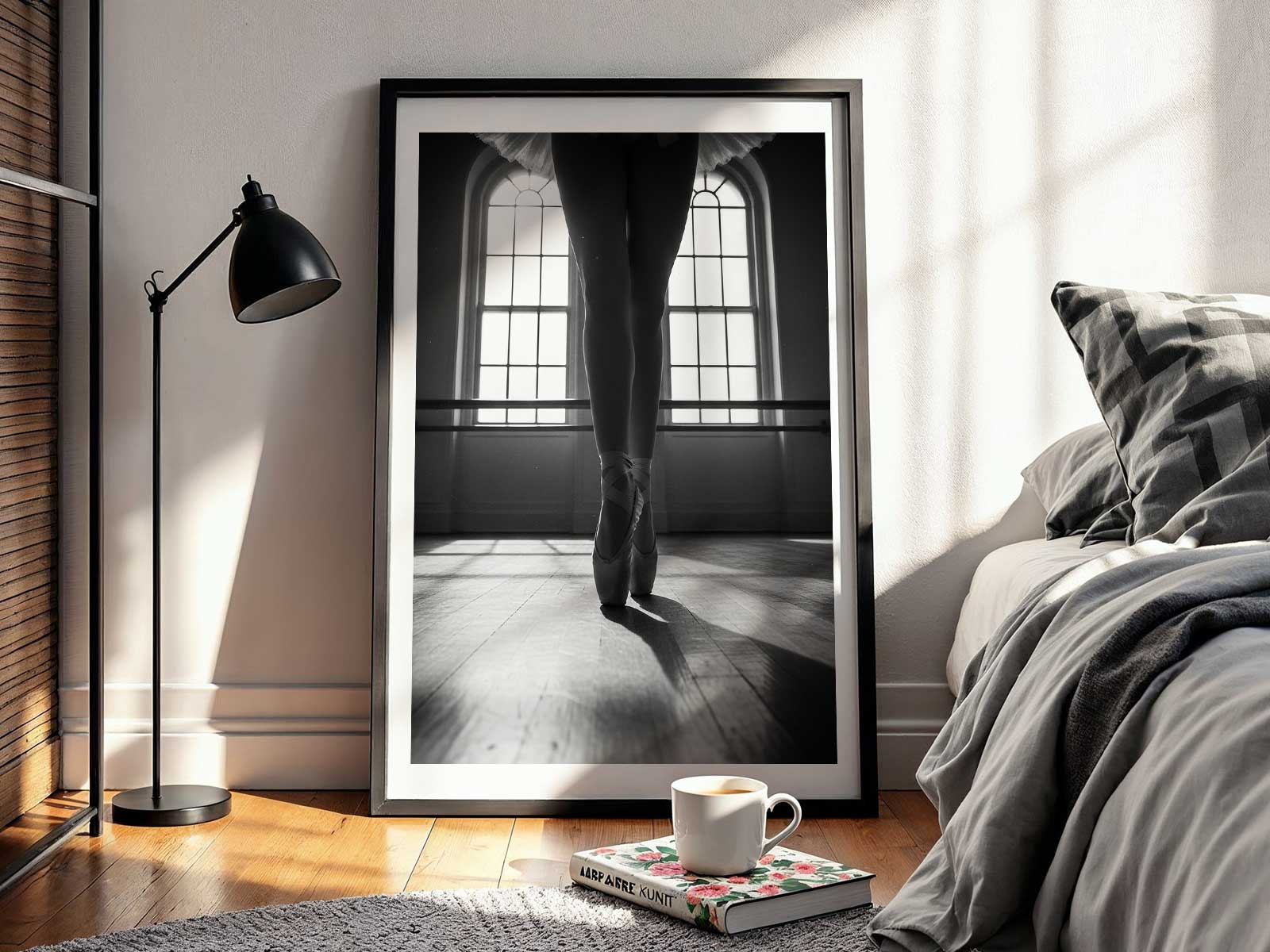
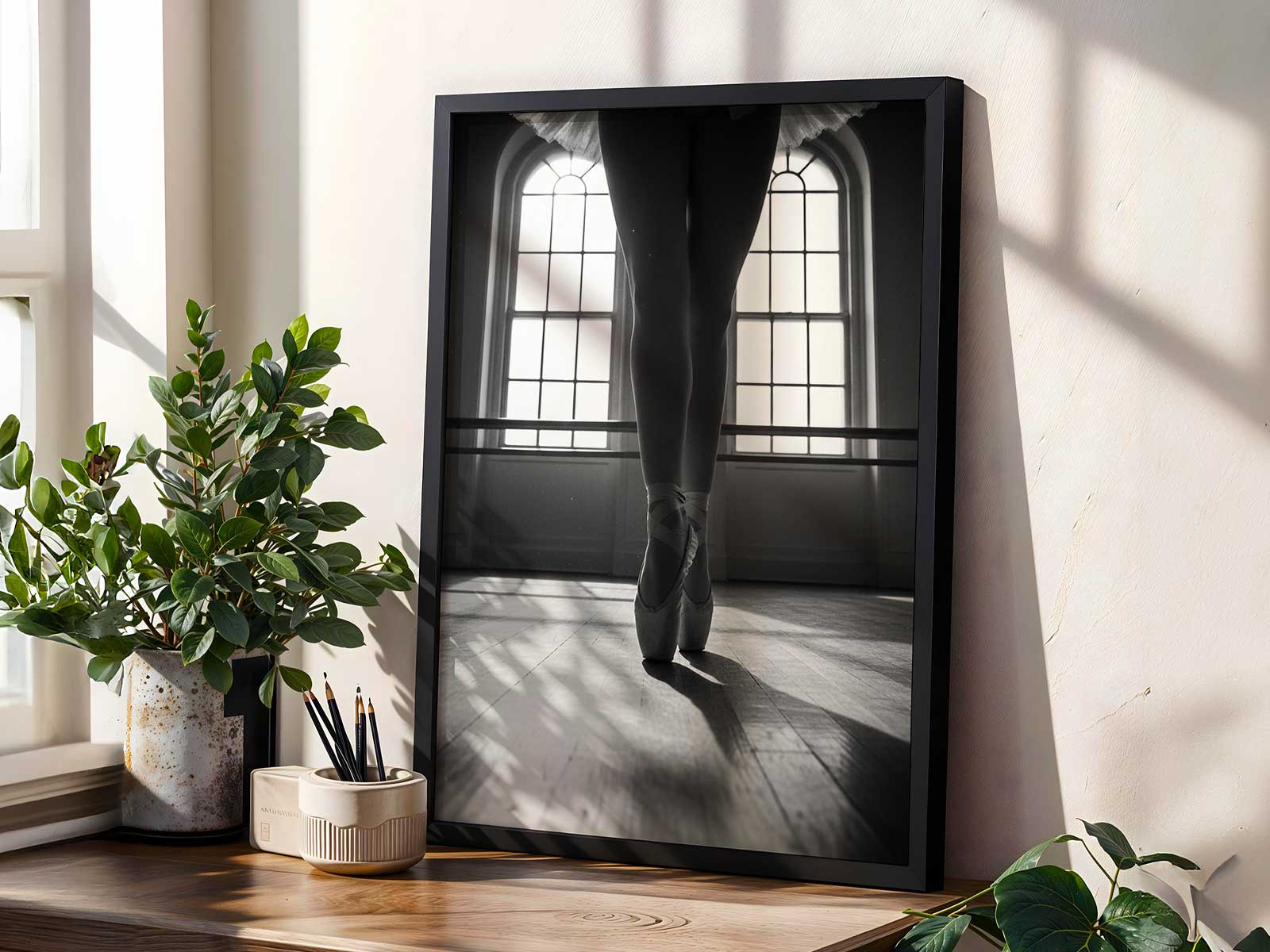
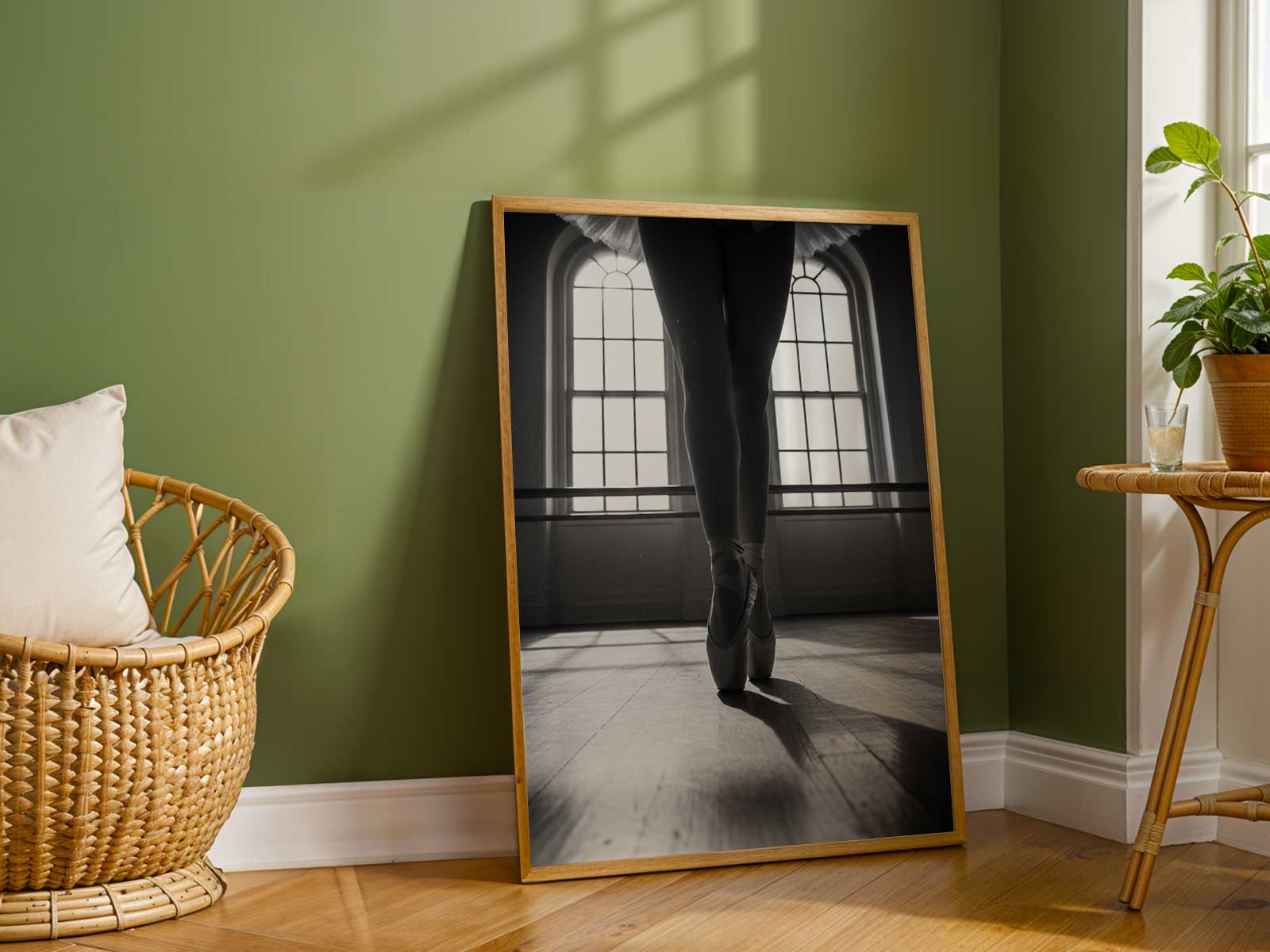
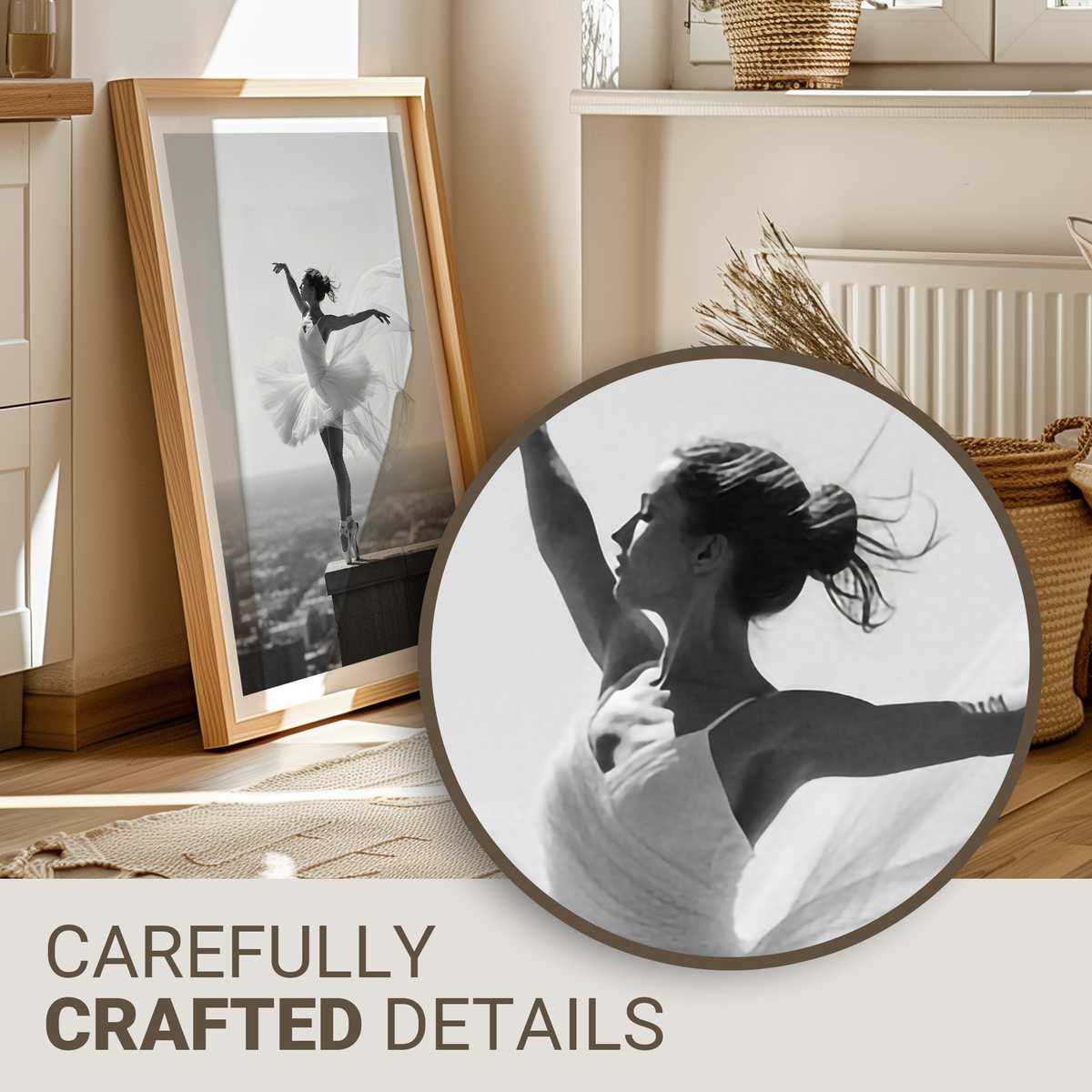
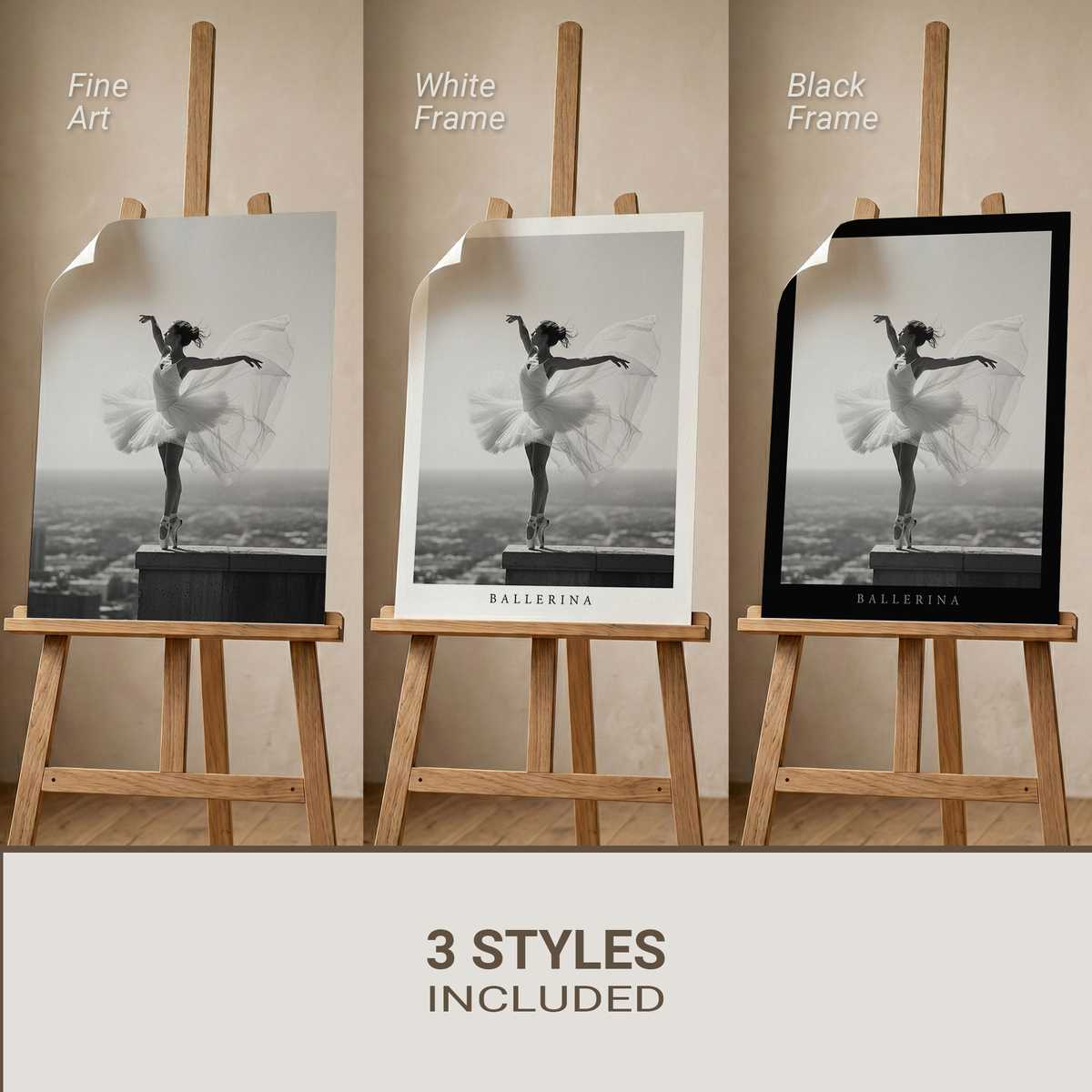
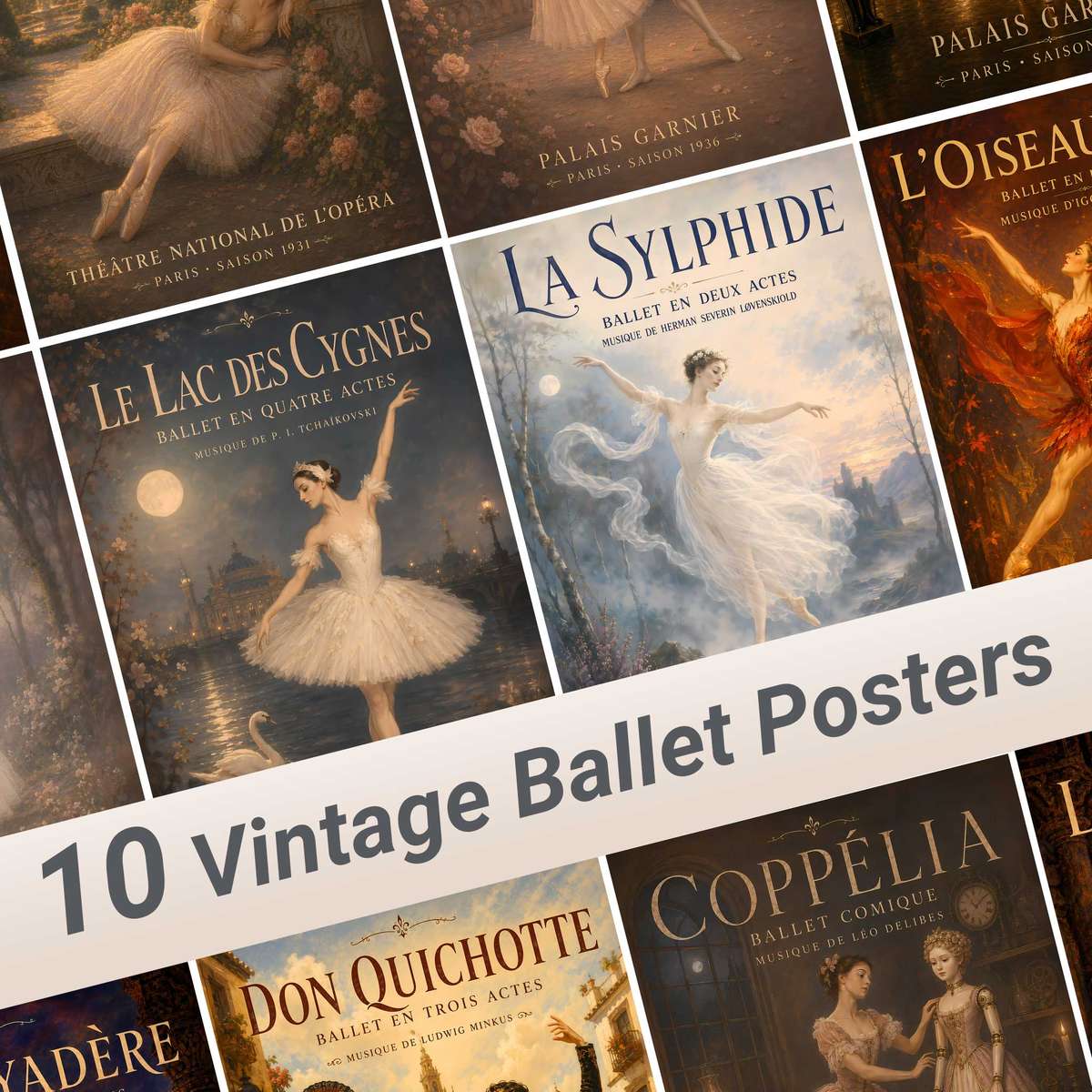
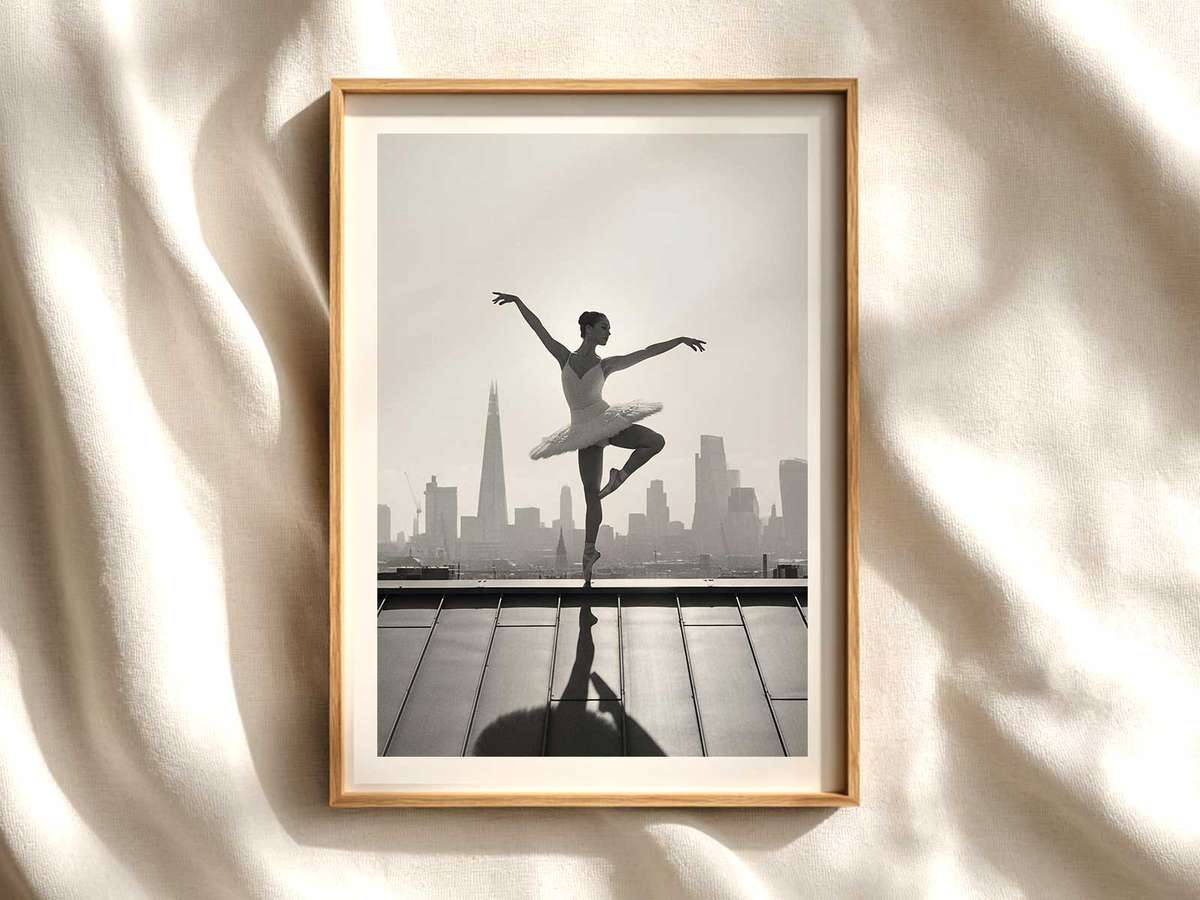
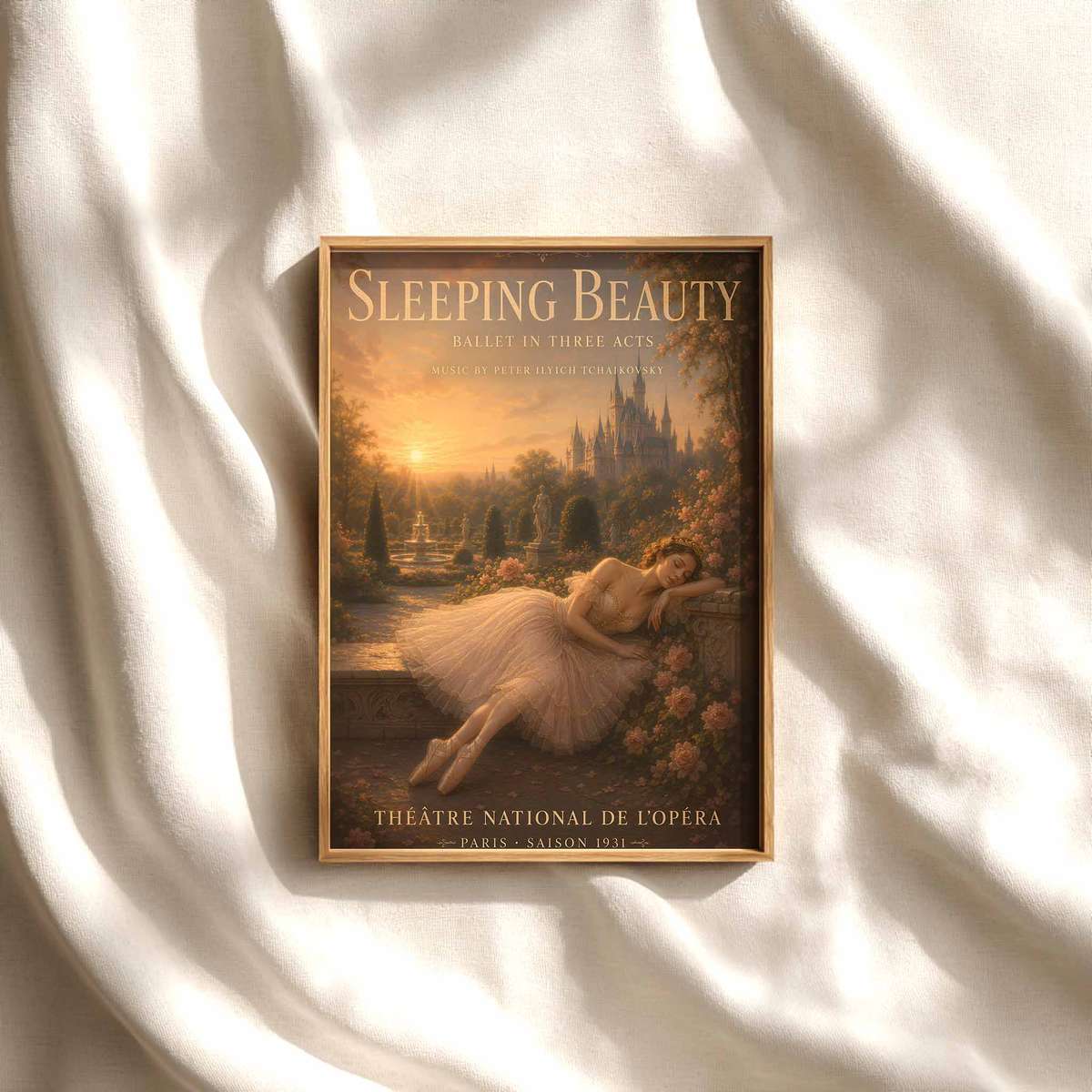
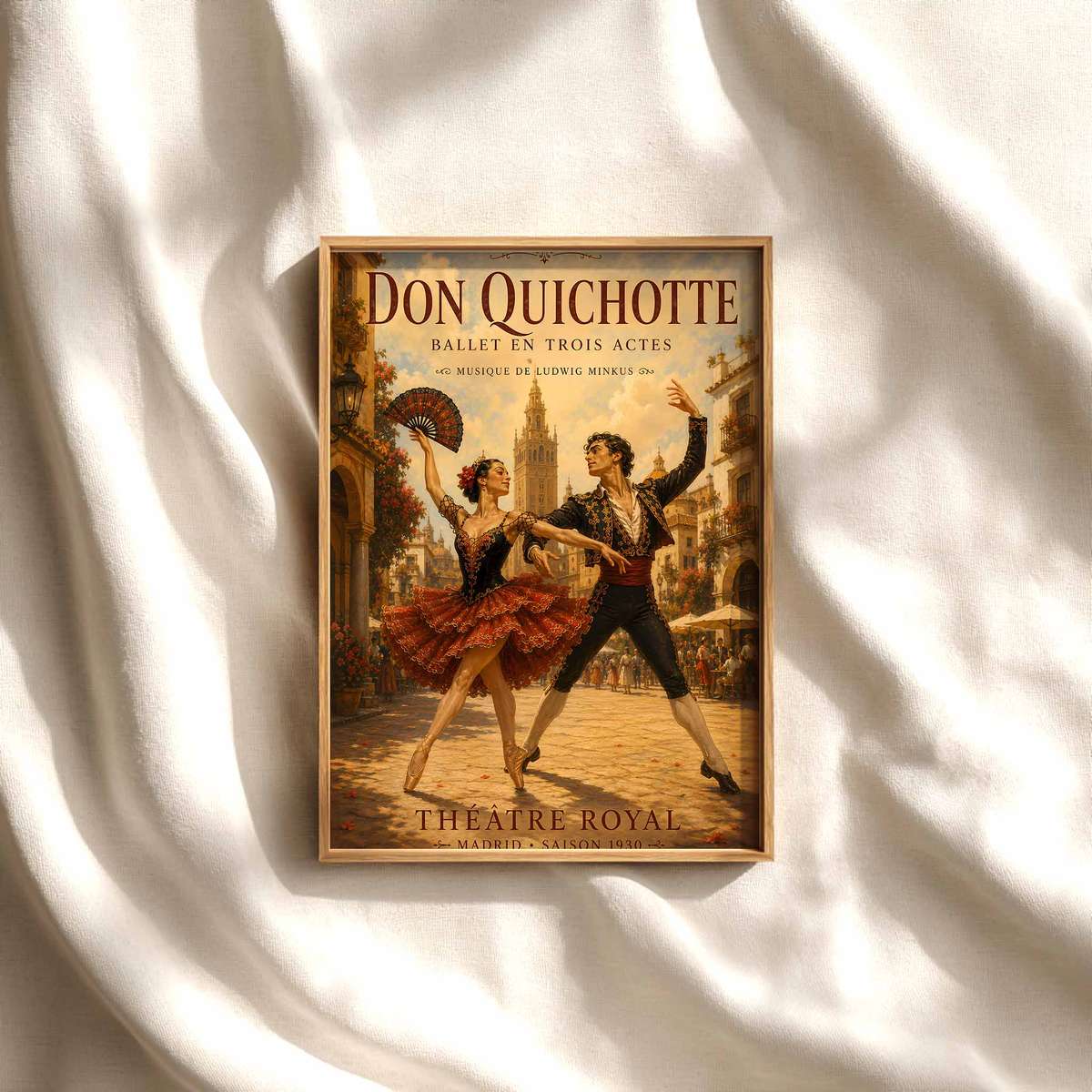
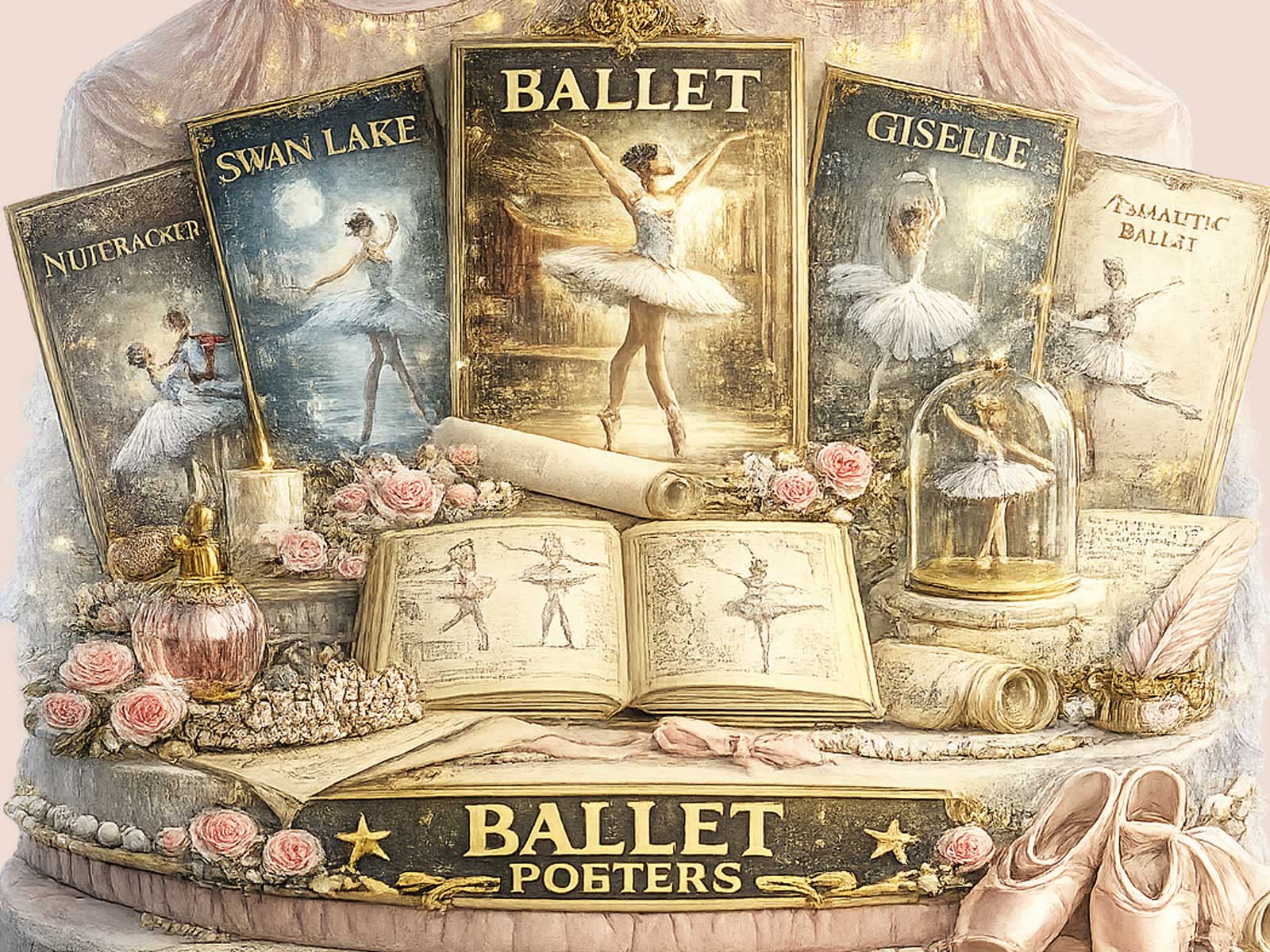
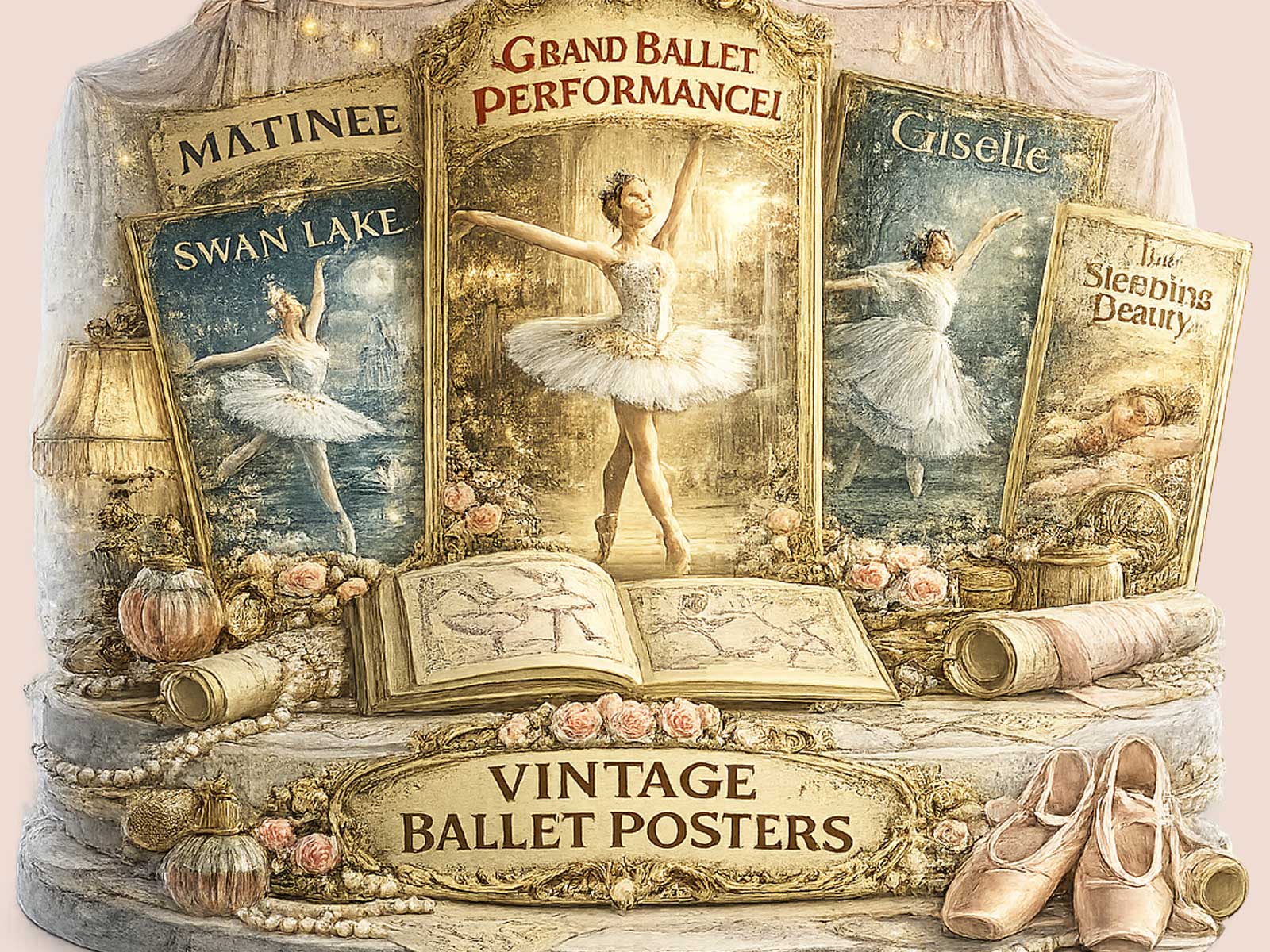
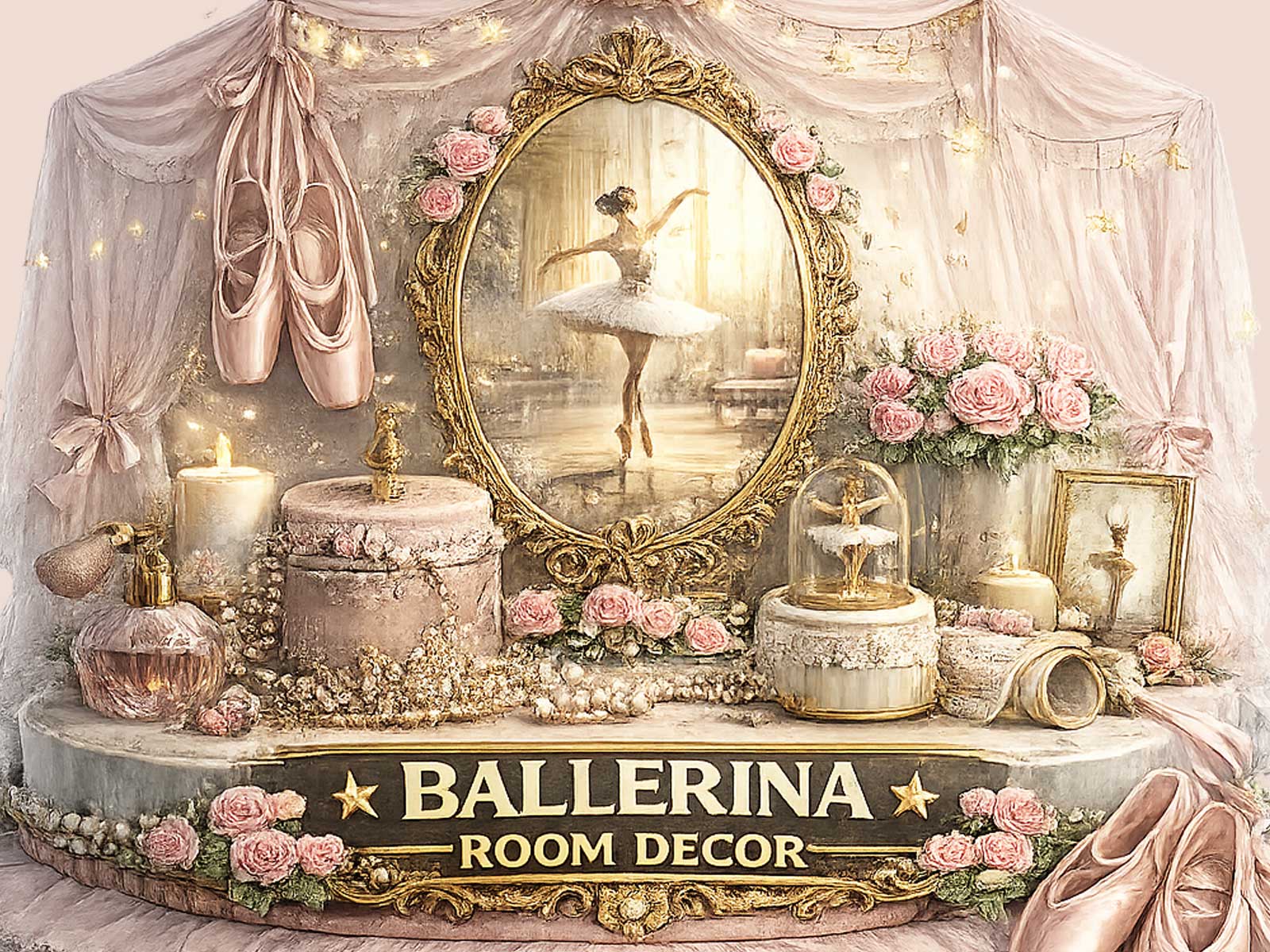
There is a particular gravity to a ballet instant when motion finds its brief, absolute pause: a torso suspended, an arm finishing its arc, the line between control and release drawn so taut it almost hums. This poster captures that narrow seam — not the height of a jump or an extreme extension, but the charged fraction of time where technique and intent meet. The result is an image that reads like a held breath, quietly insistive and impossible to forget.
Why this instant works
What makes this photograph a compelling poster is the concentration it preserves. The dancer’s muscles are not merely shown; they imply the entire run-up and the next movement, while the viewer’s eye rests on the decisive moment itself. That tension between anticipation and completion creates an emotional charge: you feel the exertion and the calm simultaneously. On a wall, that duality translates into presence — a living trace of performance that doesn’t shout but steadily claims attention.
[IMAGE_INSERT_ARTICLE_01]
Visual memory and decorative appeal
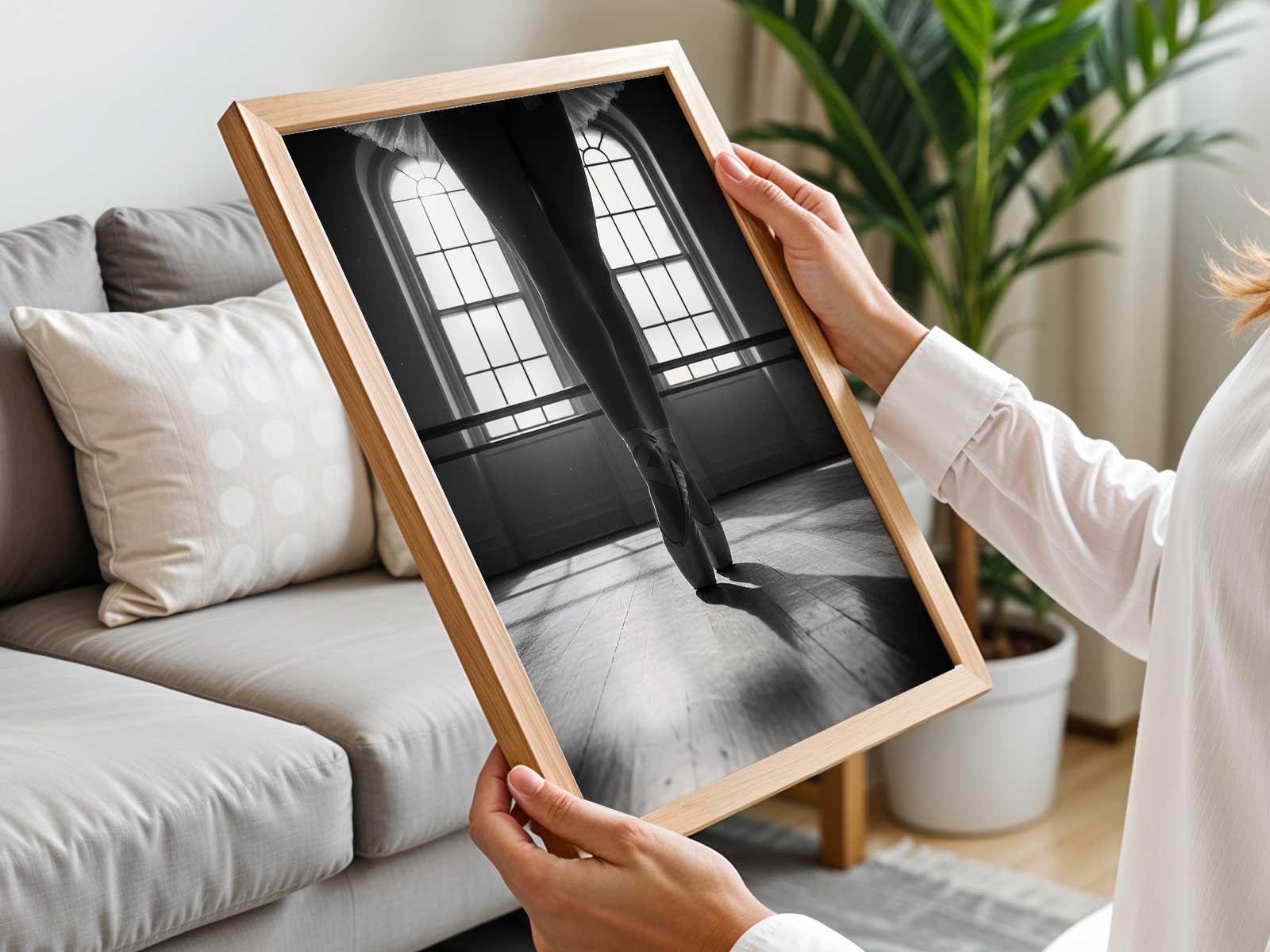
A single frame does the work of narrative without words. The pared-back composition and decisive lighting in this poster strip away distraction and emphasize form, line, and the interplay of shadow. In interiors, such an image reads as both artwork and punctuation: it adds movement without clutter, drama without noise. Against a neutral wall or above a mantel, the captured pause becomes a focal point that invites repeated discovery — each glance reveals another small detail of balance or expression.
The poster also acts as a memory device. It preserves a transient human truth — the moment when practice crystallizes into presence — and makes it permanently visible. For someone who loves dance, or simply values refined intensity, this is a daily reminder of discipline made image: a gesture that speaks of effort, economy, and the quiet heroism of concentration.
Ultimately, buying a poster of this kind is choosing a story told by a moment rather than a sequence. It’s a commitment to an image that holds the room in its hush, that brings movement into stillness, and that rewards the eye and the imagination long after the curtain has fallen.