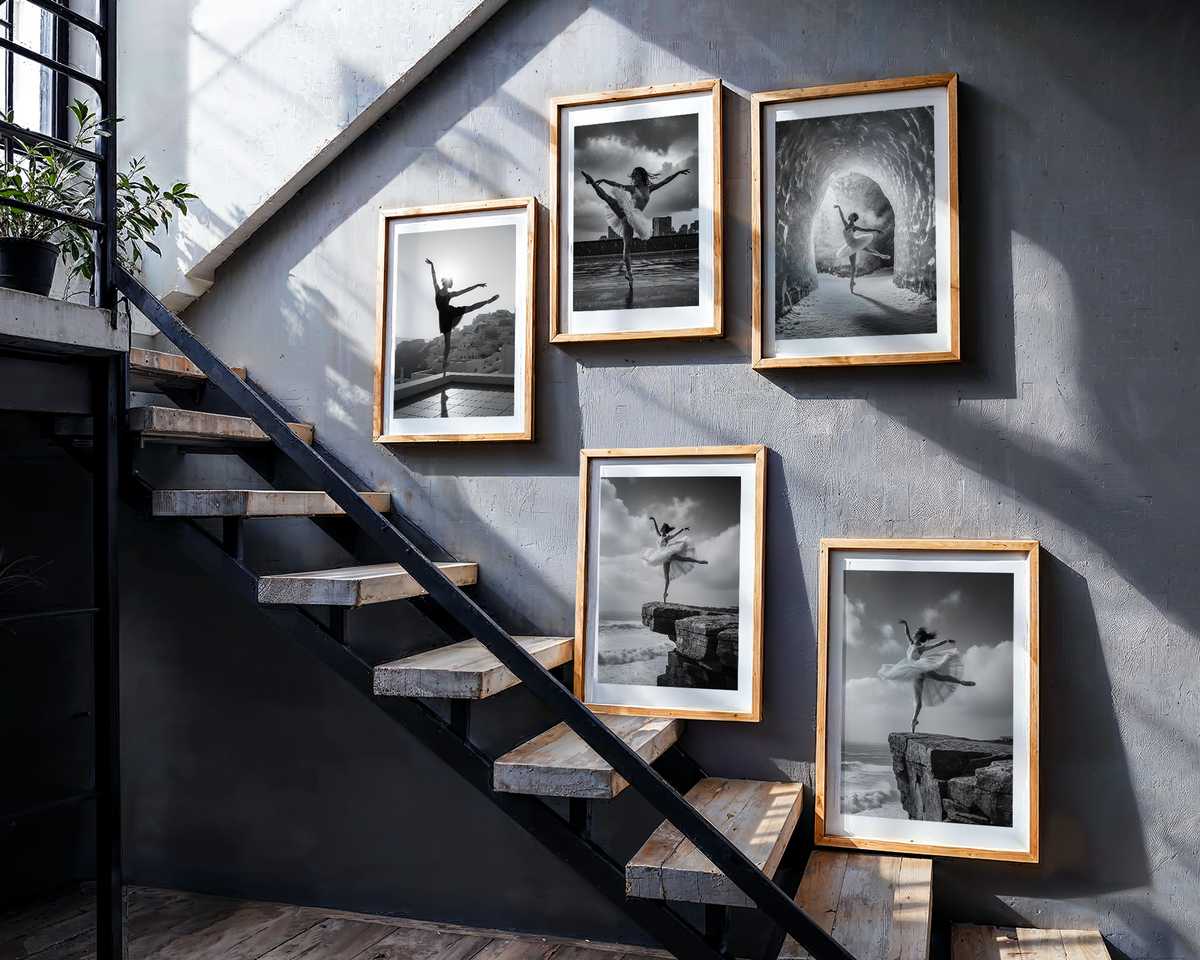
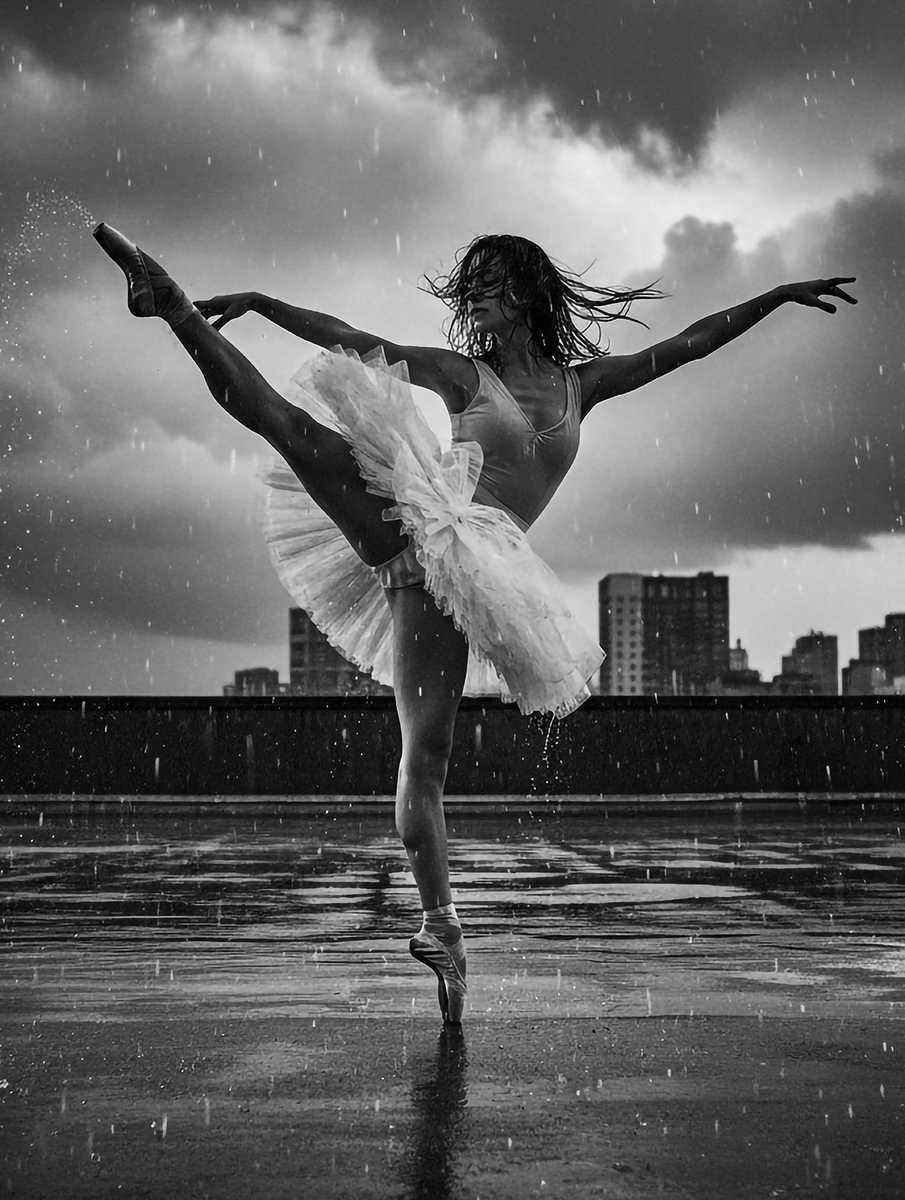
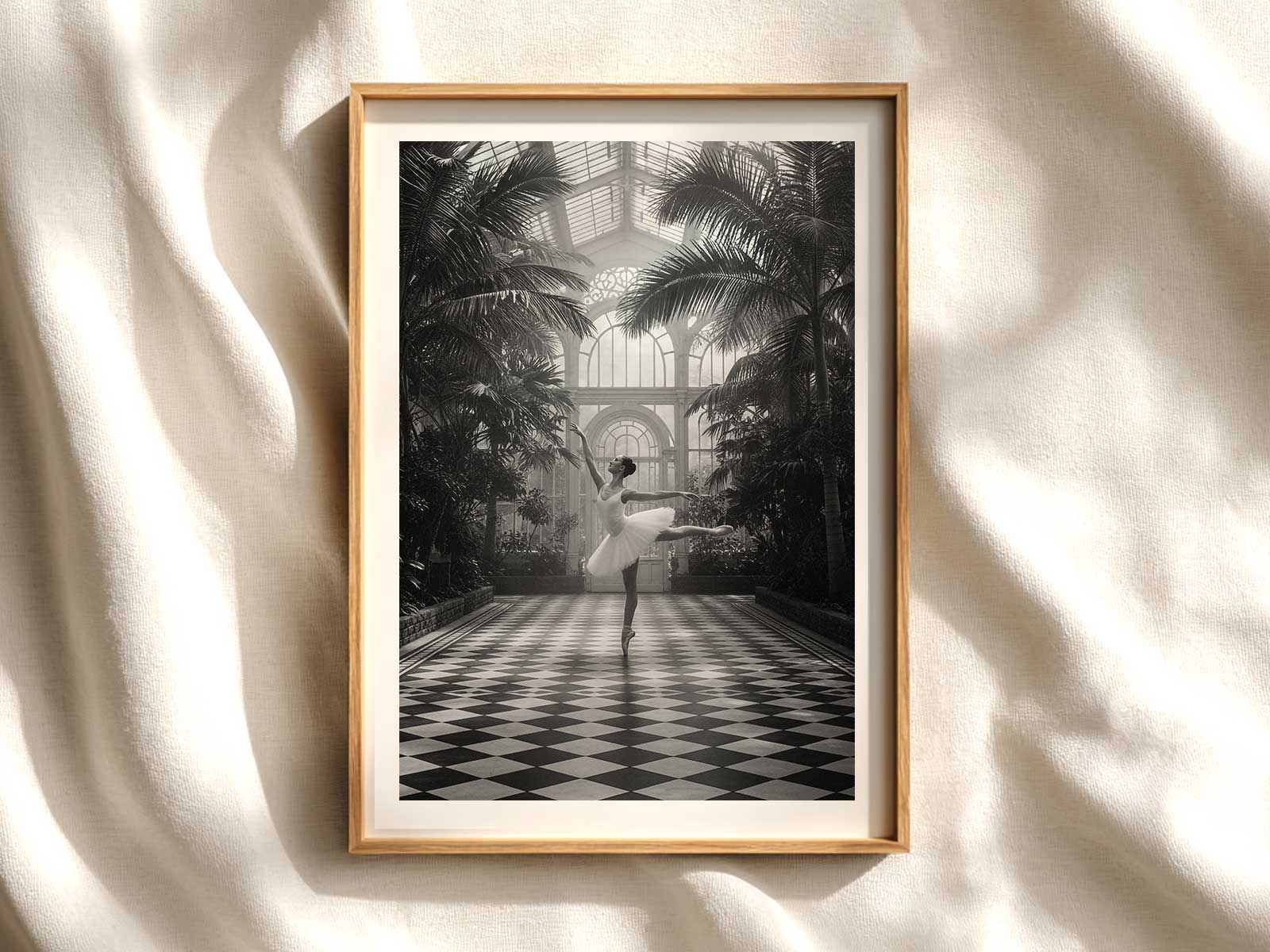
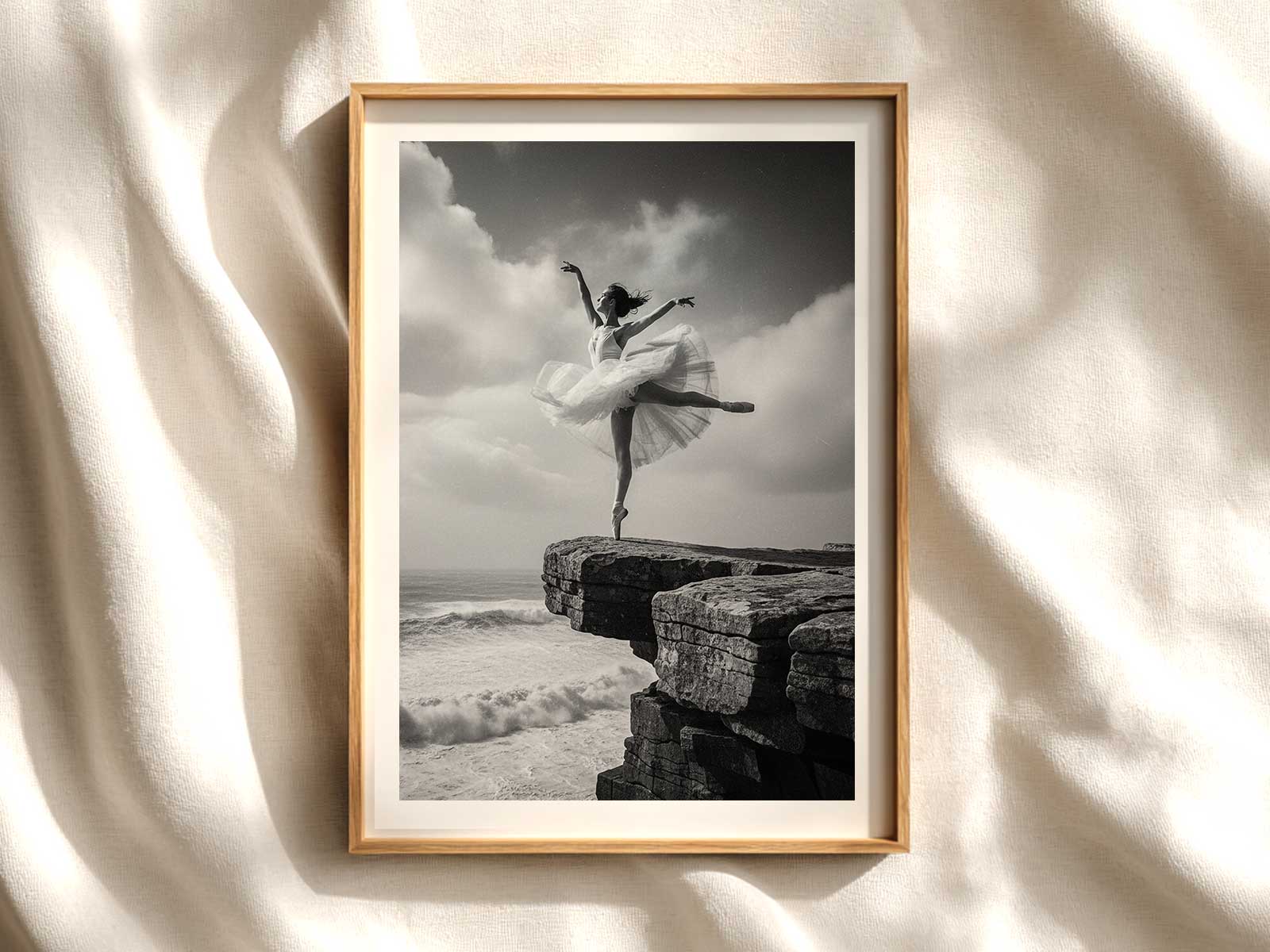
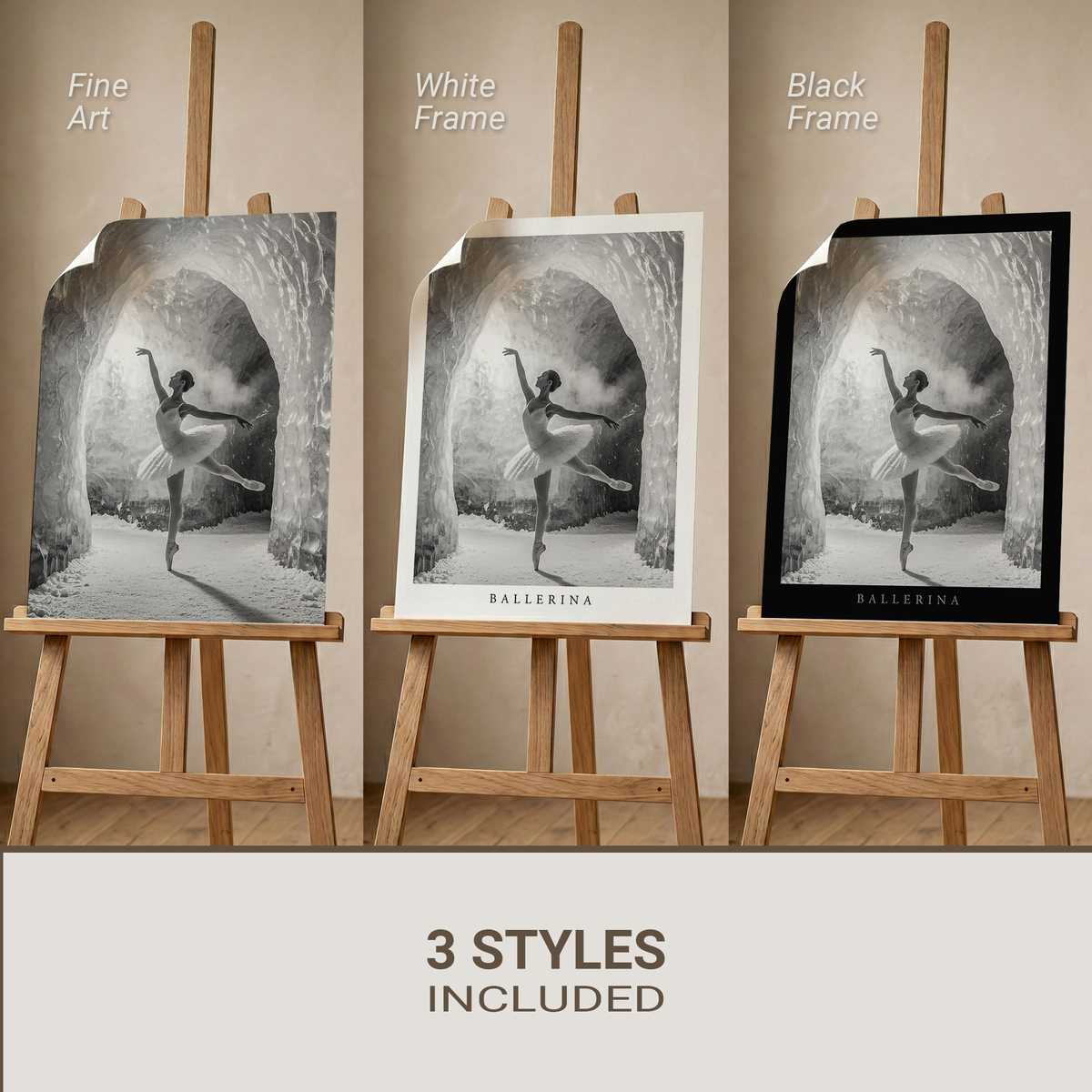
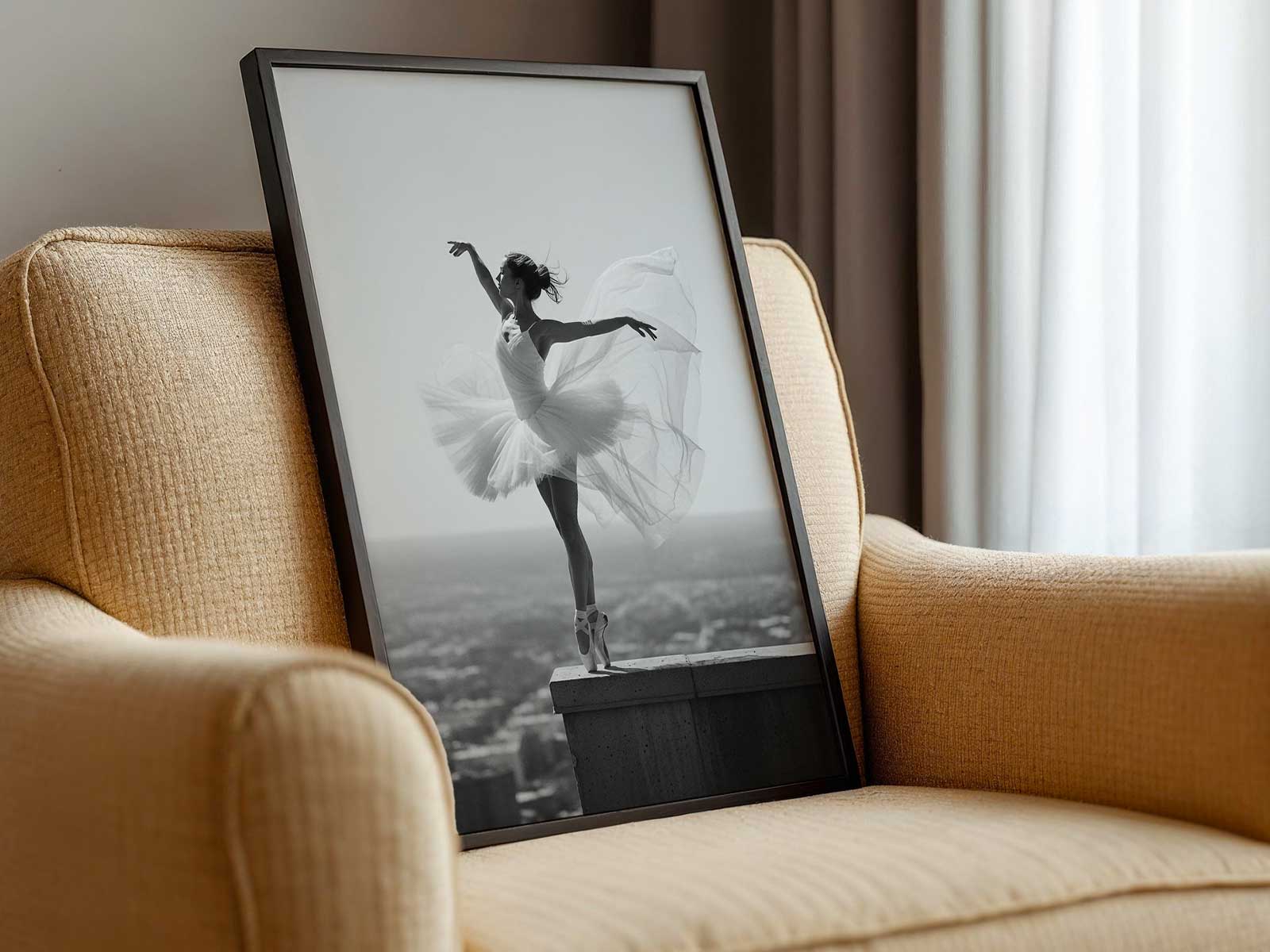
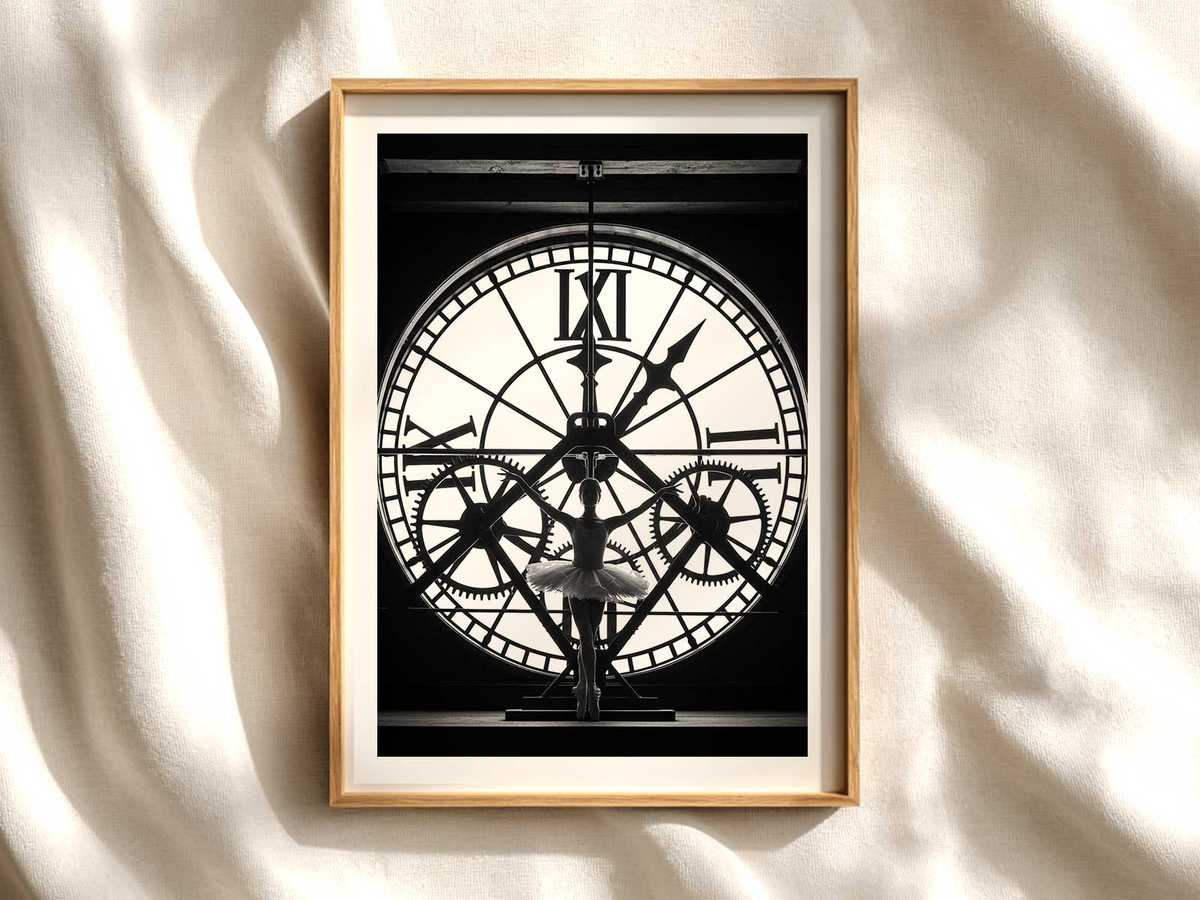
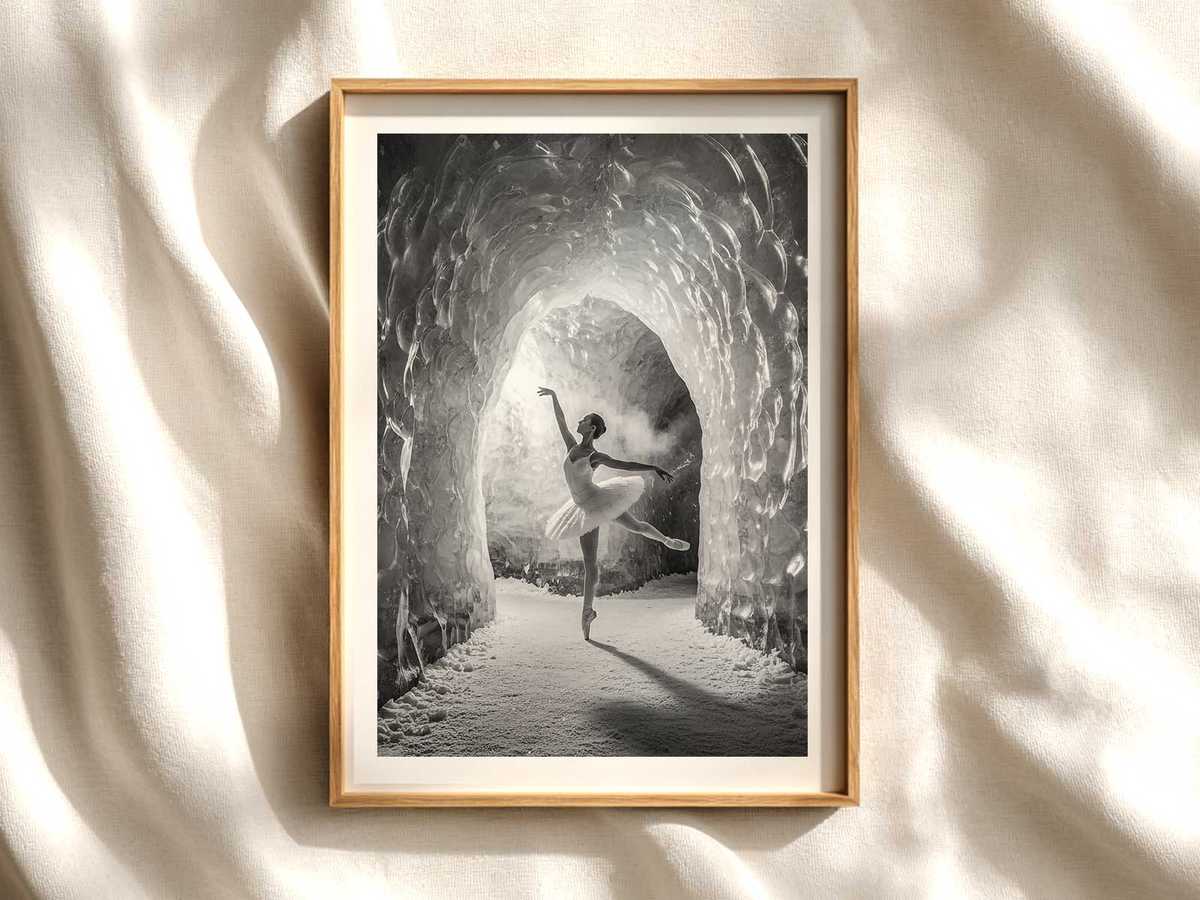
At first glance a black ballerina print reads like a memory: a single figure rendered in restrained tones, the paper’s soft patina and the charcoal-like edges suggesting an image rescued from the past. This austerity is not absence but concentration. The monochrome silhouette, with its subtle gradations and faint printed texture, summons the feeling of stage portraits and preserved studio negatives—an intensity that is calm, composed and insistently present.
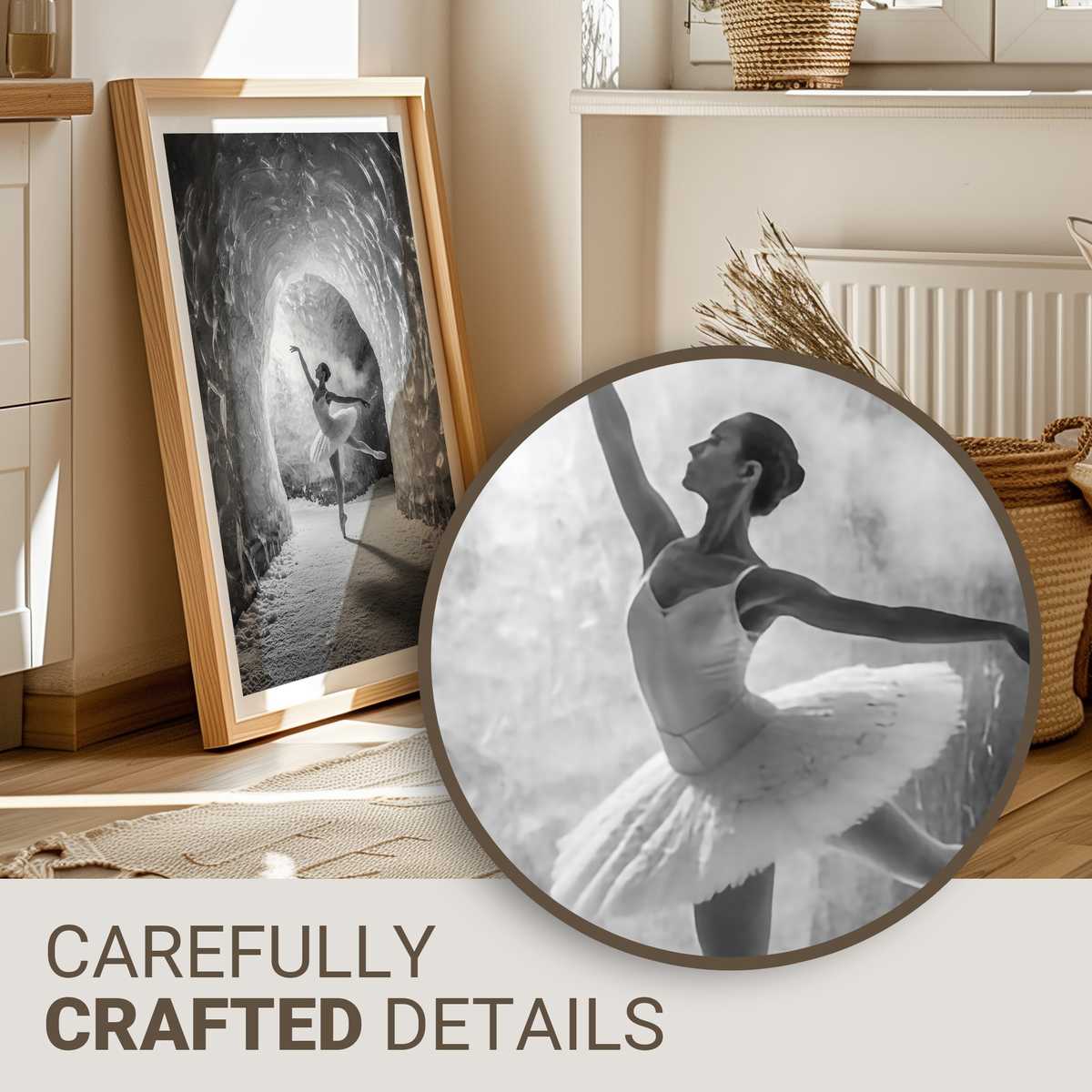
The heritage mood of such a poster works on two levels. Visually, the limited palette lets every nuance of posture and costume speak more loudly: the curve of an arm, the tilt of the head, the tension in a calf. The printed surface—slightly weathered, perhaps showing the halftone rhythm of older printing—creates depth where colour might otherwise distract. Emotionally, the piece feels like a fragment of a longer story; it carries the quiet authority of things that have been kept rather than discarded. That sense of continuity gives the image weight and makes it linger in the room.
[IMAGE_INSERT_ARTICLE_01]
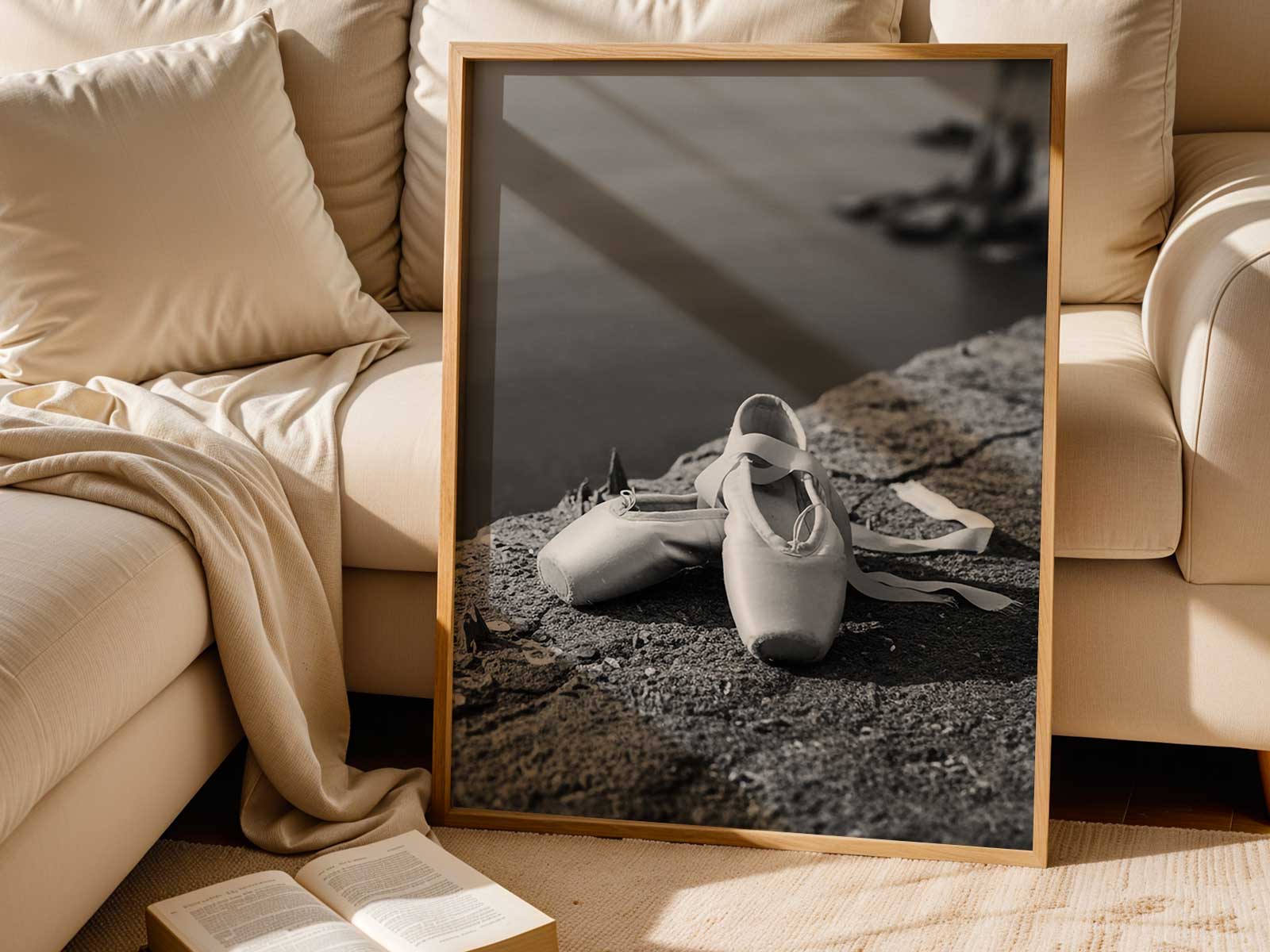
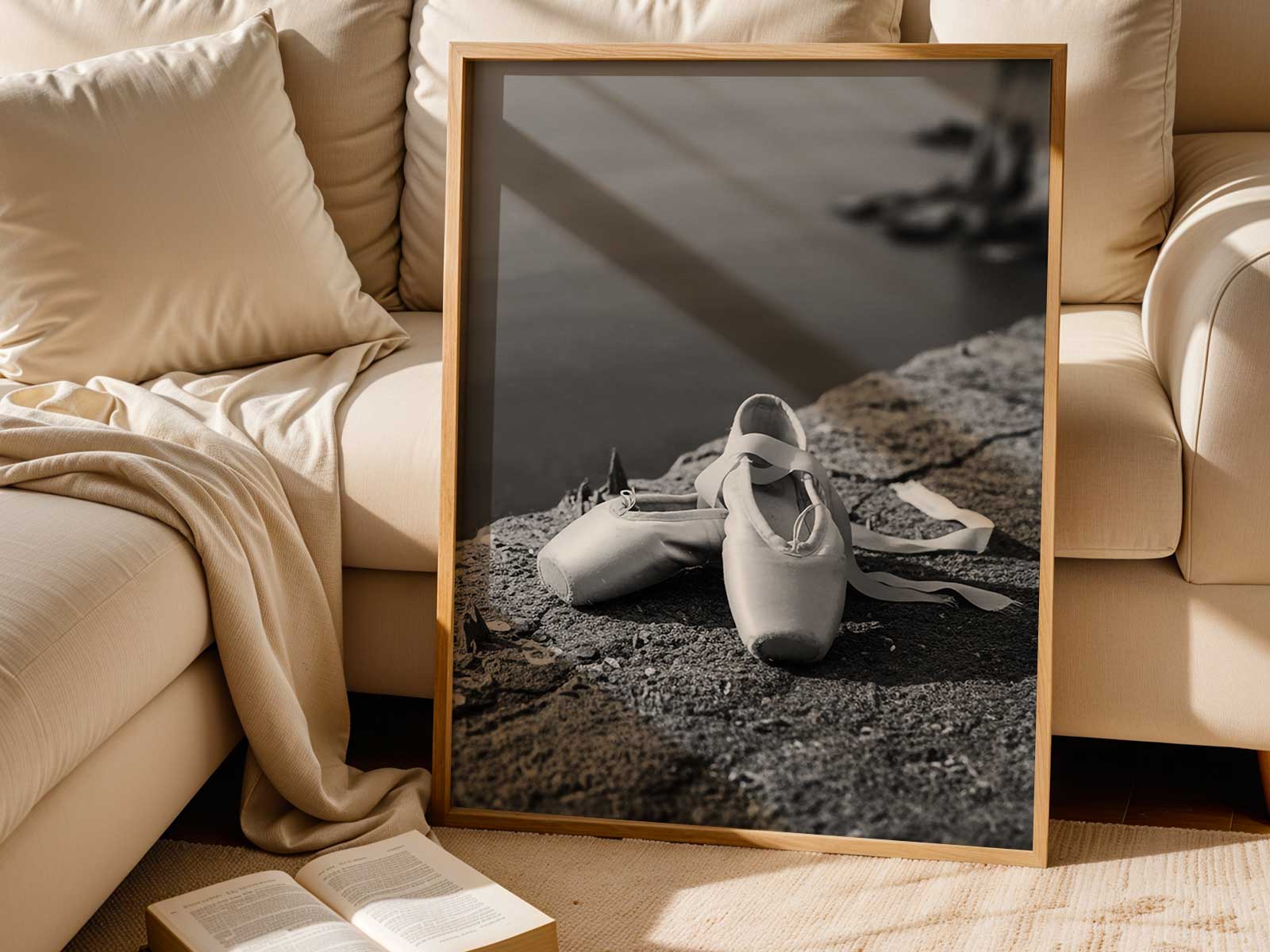
Texture is crucial. A black ballerina print often displays a gentle abrasion at the edges, a softened contrast that speaks of paper handled with care. These imperfections are not flaws but proof of life: the same marks that make a vintage print desirable also make it intimate. In a living room or a study, the poster becomes an heirloom-like presence rather than a seasonal accessory. It anchors a scheme with a museum-like dignity, offering a focal point that rewards repeated viewing.
Memory and Visual Continuity
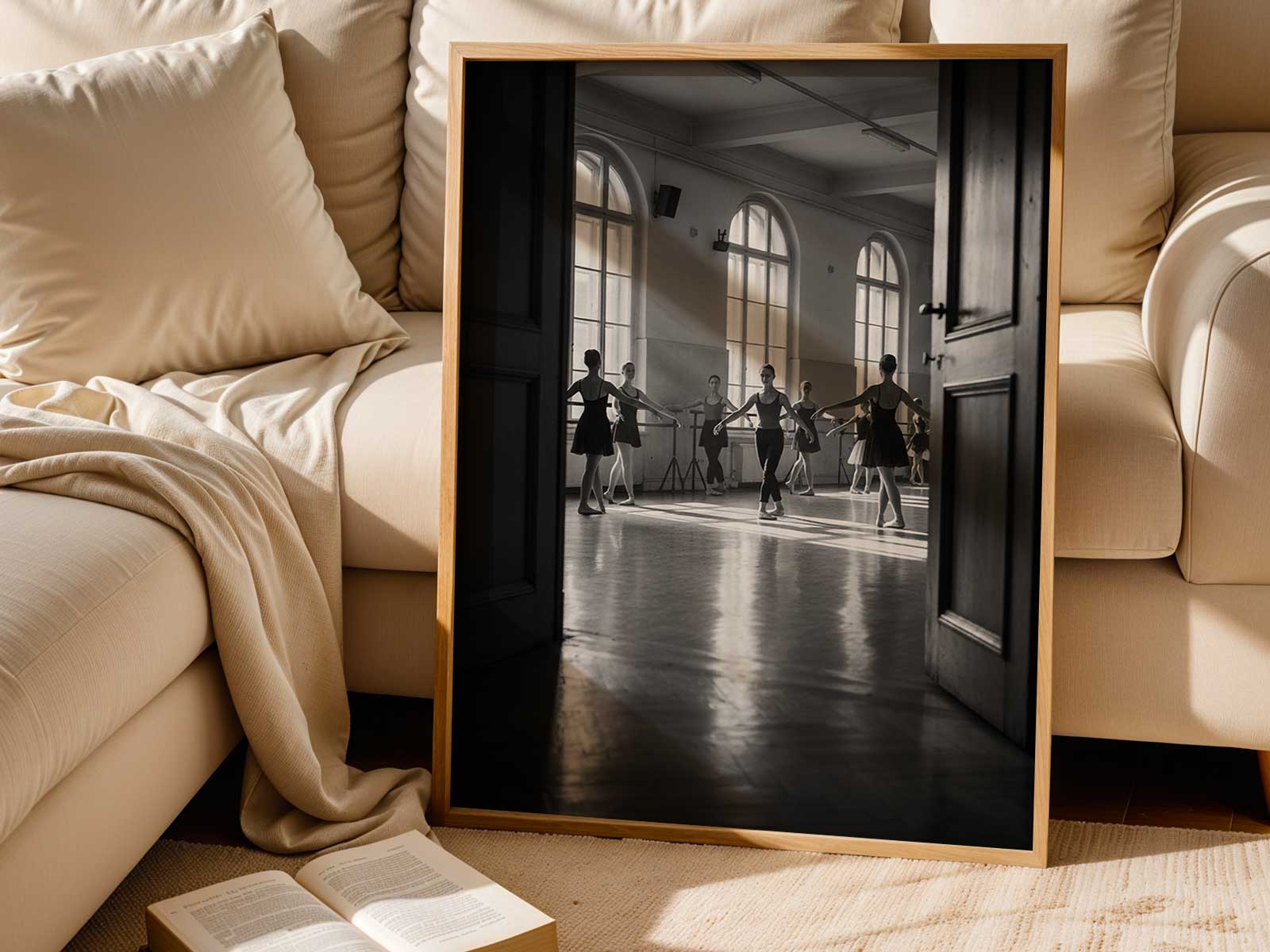
Heritage imagery reframes the dancer from ephemeral performer to a figure of memory. The print’s restraint encourages the viewer to supply context—lighting, theatre, applause—creating a private narrative that breathes around the image. This participatory remembering is what gives the print its emotional richness: the work does not insist on a single story but invites continuity, like a portrait that has watched over several generations.
For interiors, the effect is both decorative and cerebral. A black ballerina print complements warm woods, plastered walls and muted textiles, while its graphic clarity reads well against minimalist backdrops. Its palette is forgiving; it harmonises without competing. More importantly, it elevates a space by adding a curated, collector’s sensibility: a careful choice that suggests taste and restraint rather than trend-led decoration.
Lasting Appeal
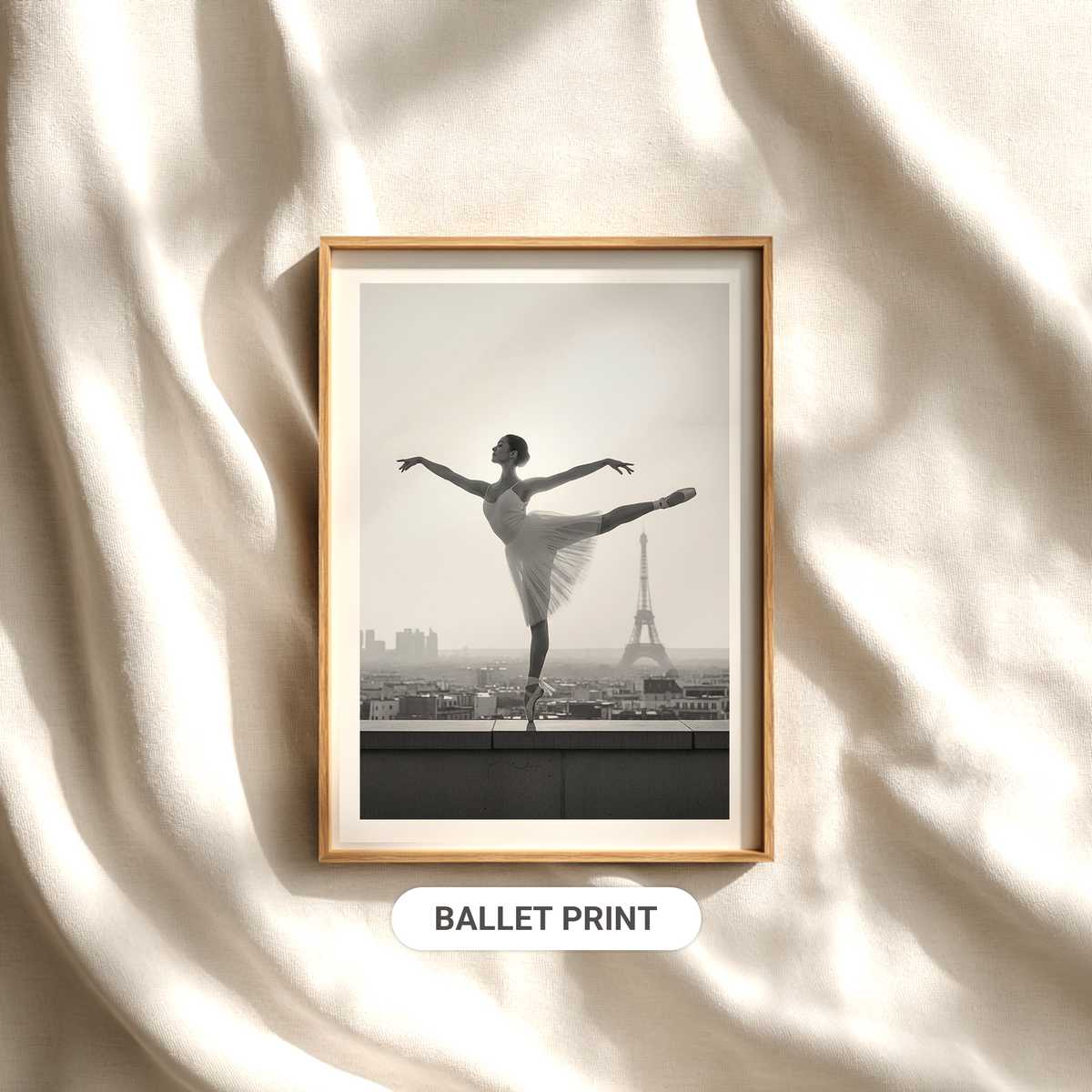
Unlike bright, topical prints, a heritage-led black ballerina image feels built to last. Its appeal is not contingent on current fashion but on the enduring pleasure of looking—studying line, shadow and the quiet architecture of the human form. Whether framed simply in black or set in a warm wooden frame, the poster carries a calm confidence. It is a decorative object that promises to age gracefully, to accumulate personal meaning, and to remain an elegant, steady presence in the home.
In short, a black ballerina print offers more than aesthetic restraint: it brings conservation of feeling, a sense of provenance and the subtle drama of archival portraiture. Bringing one into your home is an invitation to live with an image that holds time gently, and keeps looking back as you look forward.