How Swan Lake Gathered Its Stories: Revivals, Traditions and Stage Anecdotes
Swan Lake has accrued some of ballet’s most enduring stories not because it began as a single definitive text, but because successive revivals, star performances and production choices turned fragments into a living repertory myth. From its 1877 premiere in Moscow to the 1895 Mariinsky revival that supplied the grammar most companies still use, Swan Lake’s place in imagination has been built as much by staging decisions and memorable interpreters as by Tchaikovsky’s score.
In short
Swan Lake’s reputation rests on an early Bolshoi premiere in 1877 and a defining 1895 Mariinsky revival by Marius Petipa and Lev Ivanov (with Riccardo Drigo’s musical revisions). Those moments established choreography, casting conventions and visual tropes that companies have adapted ever since.
What this article uncovers
- How the 1877 premiere and the 1895 revival provided two different but complementary origin points.
- Why the dual Odette/Odile casting became a central technical and theatrical challenge.
- How Pierina Legnani and touring artists helped canonize particular movements and images.
- Which production traditions—corps formations, the Dance of the Cygnets, and costuming—emerged over time.
Quick access
How Swan Lake entered ballet memory
Swan Lake did not arrive fully formed as an instant classic. Its first public life began at the Bolshoi in Moscow on 20 February 1877. That premiere planted the title in the repertoire, but it was the later process of revision and revival that created the set of stage practices and images audiences now associate with the work. In other words, Swan Lake’s memory is composite: original premiere, later reconstruction and continuous reworking by artists and companies.
The creation story and early premieres
Tchaikovsky’s score and the first Bolshoi staging gave the ballet a musical and dramatic framework in 1877, but the version familiar to most theatre-goers comes from a decisive reconception at the Mariinsky in 1895. The ballet’s route into common repertory depended on these two distinct moments—the original staging that introduced the narrative and the later institutional revival that standardized choreography, scene order and many stage customs.
The 1895 revival that changed everything
The production mounted at the Mariinsky in 1895 by Marius Petipa and Lev Ivanov—supported by Riccardo Drigo’s musical revisions—became the foundation for almost all subsequent stagings. Petipa and Ivanov’s division of labour (with Petipa responsible for some acts and Ivanov for others) and Drigo’s editorial hand created the structural blueprint companies would inherit. It is this 1895 text that explains why many staging choices trace back to specific decisions made in late-19th-century St Petersburg rather than to a single original vision.
The story people keep telling: Pierina Legnani and the standard Odette/Odile
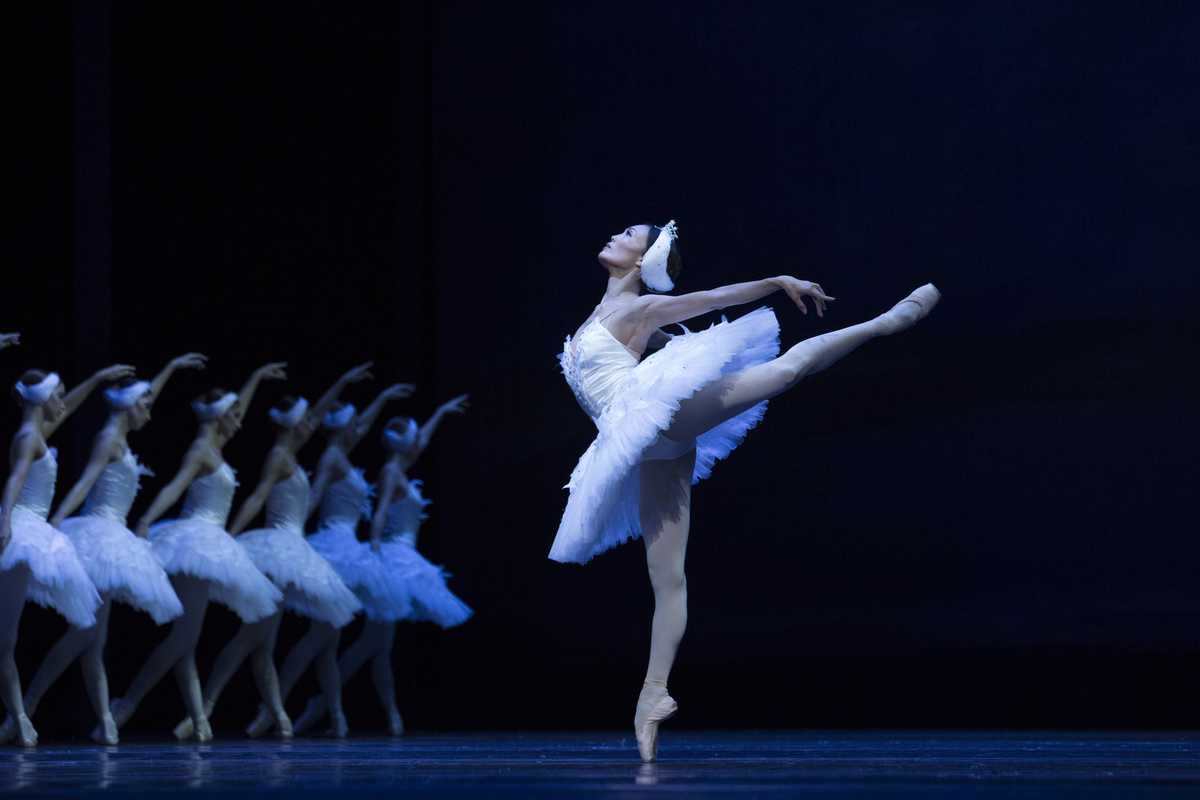
One of the anecdotes that persists in company histories is the impact of Pierina Legnani’s 1895 performances of Odette and Odile at the Mariinsky. Her success there helped popularize the Petipa–Ivanov form and contributed to making the dual role—one ballerina performing both the White Swan and the Black Swan—the standard. That casting convention became a central theatrical and technical challenge and a measuring-stick for virtuosity in later generations.
Great interpreters, productions and modern reworkings
Beyond the Mariinsky, several touring artists and reinterpretations expanded Swan Lake’s public image. Early 20th-century tours by Anna Pavlova and colleagues carried the ballet westward, familiarizing broader audiences with its music and scenes. In the late 20th century, radical reimaginings such as Matthew Bourne’s 1995 production—famously recasting the corps as male swans—demonstrated how a well-known score can support startling new theatrical ideas. These contrasting practices—faithful revival and bold reinterpretation—both deepen the ballet’s theatrical mythology.
What stage and studio reality reveals
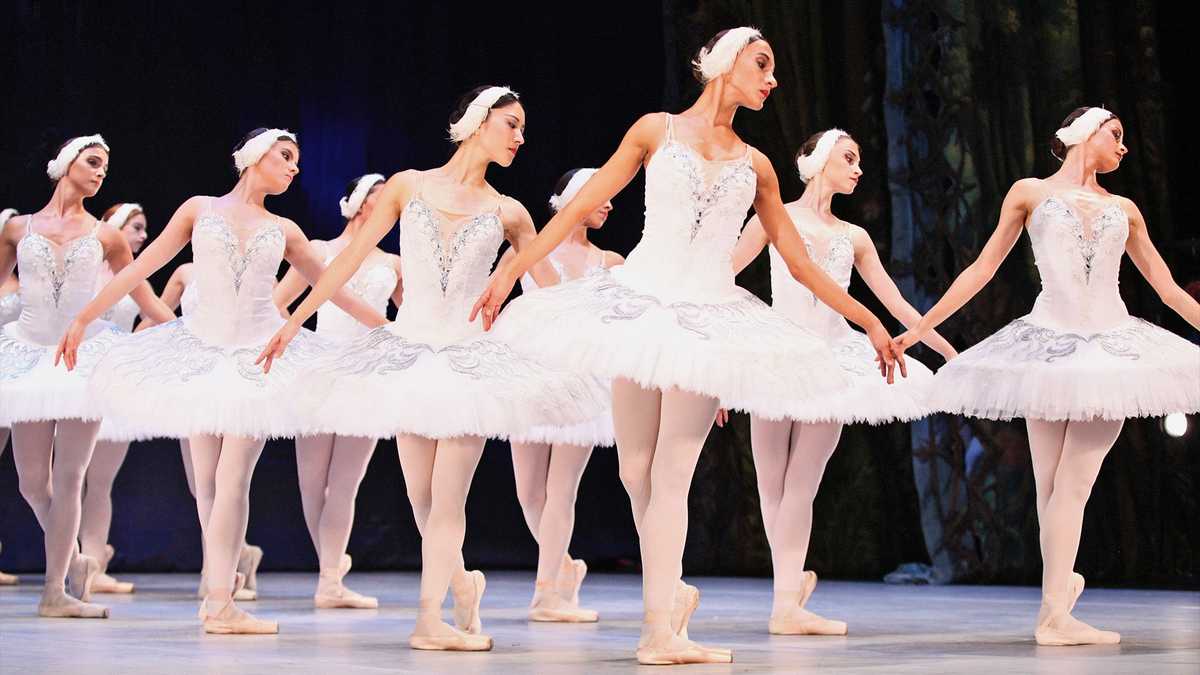
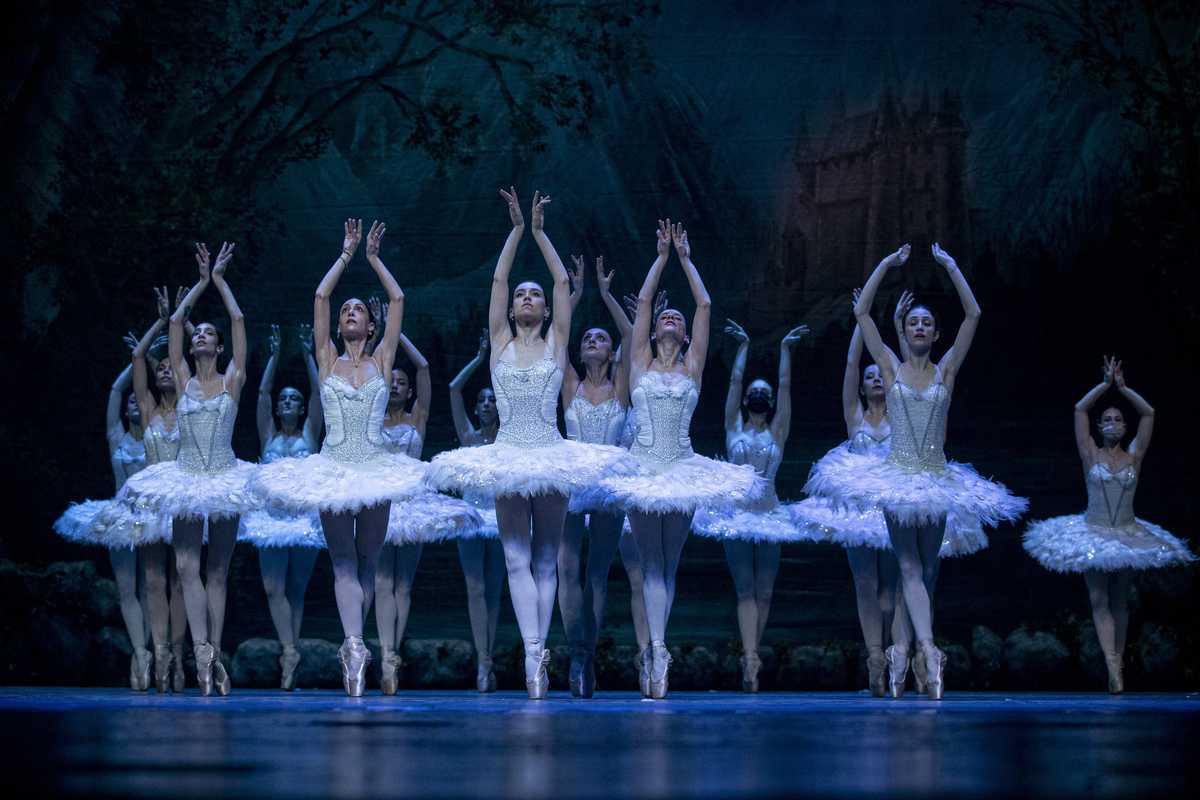
Many production traditions that audiences assume to be original are actually accretions. Corps formations—most obviously the white-swan ensemble and the precisely measured unison of dances like the Dance of the Cygnets—derive from Petipa and Ivanov’s choreographic planning and from how companies teach repertory to corps members. Costumes evolved too: over the 20th century Odette’s feathered white image and Odile’s black costume developed into distinct visual codes, with certain looks—feathered tutus, stylized black tutus—becoming standard through repeated use rather than any singular decree.
Why audiences kept returning
Swan Lake’s durability rests on several interlocking attractions. Tchaikovsky’s score gives the ballet cinematic emotional contours; the dual-role conceit offers a dramatic and technical spectacle; and the corps’ white-swan imagery provides a visual memory that theatre promoters and companies can renew season after season. Crucially, because the ballet is not a single fixed text, each revival can highlight different traits—romance, tragedy, virtuosity or modern irony—so it remains adaptable to changing tastes.
Surprising facts that actually matter
One important reality is that many stage traditions—casting practices, set-piece dances, pantomime passages and favored variations—are traceable to specific revivals rather than to the 1877 premiere. Riccardo Drigo’s musical edits for the 1895 revival, for instance, are a musical fact that shaped what companies play today. Similarly, the now-standard separation of Petipa’s and Ivanov’s choreographic contributions explains why the ballet often reads as a collaboration across acts rather than a single choreographer’s unified scheme.
How it changed over time and its cultural afterlife
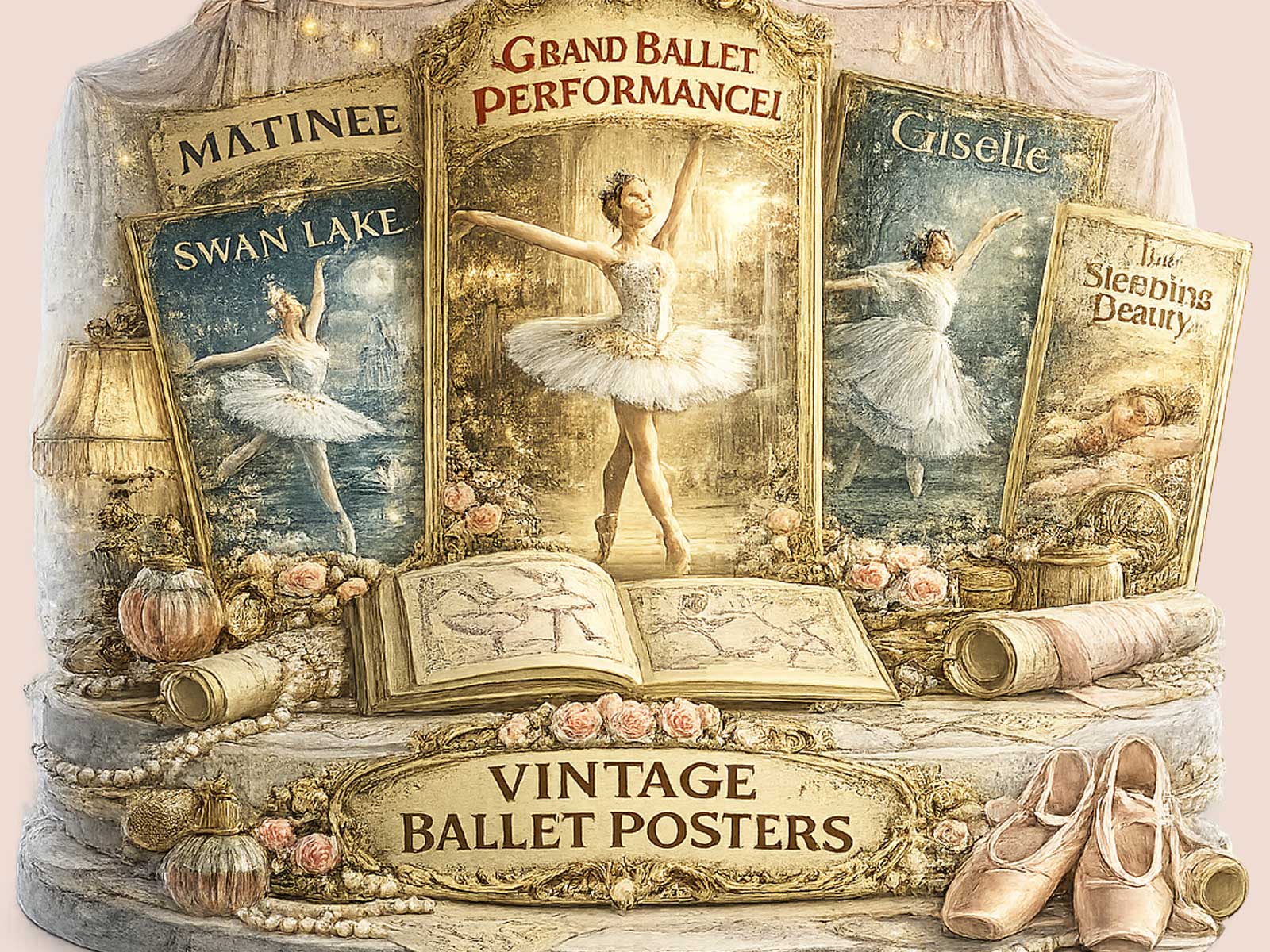
Over decades Swan Lake moved from a national premiere to an international repertory cornerstone through touring, revivals and imaginative staging choices. Its iconography—white tutus, black tutus, corps of swans—became a shorthand used both onstage and in broader culture, from theatre posters to film references. The ballet’s layered performance history allows new artists to claim it: some restore the 1895 organization; others invent new narratives; both approaches rely on the weight of a well-established repertory history.
Closing interpretation
Swan Lake’s enduring hold on audiences comes from being both specific and malleable. The Bolshoi premiere in 1877 and the Mariinsky revival of 1895 are historical anchors; everything that followed—celebrated interpreters, corps traditions, costume codes and radical reimaginings—built outward from those anchors. The result is a ballet that feels familiar and mysterious at once: a work whose myths are not the product of myth-making alone but of concrete staging choices, influential performances and a musical score that rewards reinvention.
Author: Cynthia D.