Anna Pavlova: From Mariinsky Training and The Dying Swan to a World on Tour
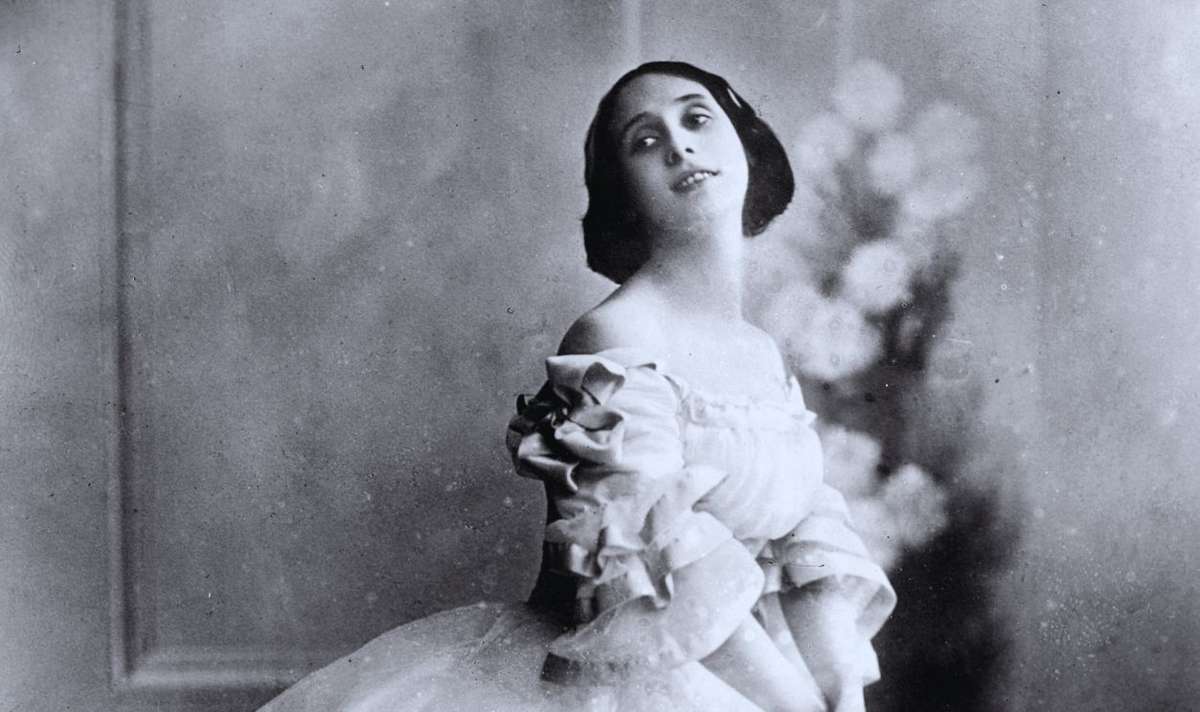
Anna Pavlova remains one of ballet’s most recognizable presences: a dancer whose Mariinsky formation, the delicate emblem of The Dying Swan, and long years on the road together shaped how audiences everywhere first understood classical ballet. This piece traces the arc from imperial schoolroom to global stages and considers why Pavlova’s image endures in dance history and visual culture.
Quick access
In short
Born in St. Petersburg in 1881, Pavlova trained at the Imperial School of Ballet and joined the Imperial Ballet in 1899. A solo created for her by Mikhail Fokine — The Dying Swan — became her signature. In the 1910s she left the company and spent decades touring internationally, bringing classical ballet to new audiences.
What this article explains
- How Pavlova’s Mariinsky training and early career set the stage for her public image.
- Why The Dying Swan became a defining emblem of her artistry.
- How her touring company carried classical ballet to continents and cultures worldwide.
Early formation and St. Petersburg origins
Anna Pavlova was born in St. Petersburg in 1881 (January 31 Old Style / February 12 New Style). Her formal path into dance began at the Imperial School of Ballet, the school associated with the Mariinsky Theatre, where she entered training in 1891. That institutional setting—steeped in the Imperial theatrical tradition—provided the disciplined environment that placed young dancers on a professional track within the Russian ballet system.
Mariinsky training and artistic roots
The Imperial School of Ballet was Pavlova’s formative world. She completed her studies there in 1899 and joined the Imperial Ballet (Mariinsky) the same year. The trajectory from academy to company at the Mariinsky was the established path for performers who would appear on major Russian stages; Pavlova’s early years within that system shaped her technical foundation and stage habits even as her later career moved beyond the imperial repertory.
Entering the stage world and the rise to prominence
After graduating in 1899 and entering the Imperial Ballet, Pavlova’s professional profile grew in the first decade of the twentieth century. She was awarded the title of prima ballerina in 1906, a recognition that reflected her position within the company and the esteem in which she was held. Those years at the Mariinsky consolidated Pavlova’s visibility in a repertory-rich environment and prepared her for the distinctive roles that would follow.
The Dying Swan: a solo that shaped an identity
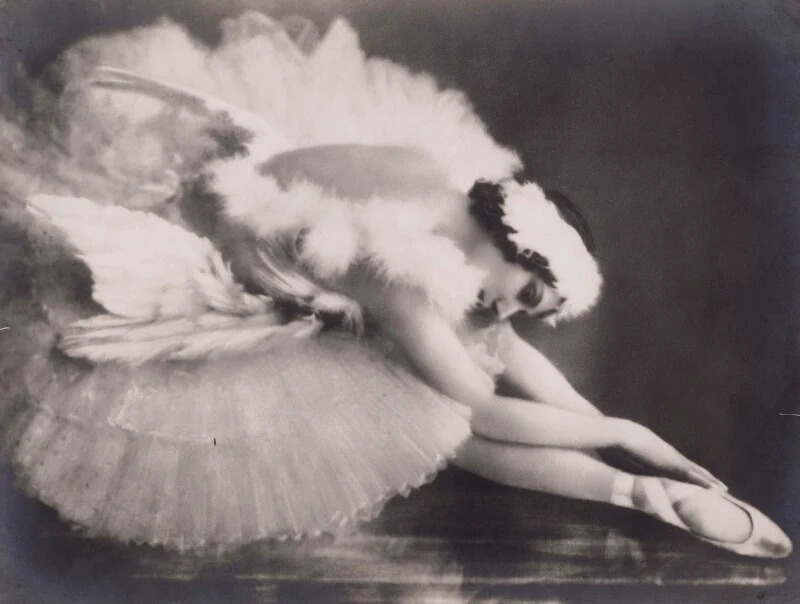
One of the most consequential artistic turning points in Pavlova’s career was the creation of The Dying Swan. Choreographed by Mikhail (Michel) Fokine to Camille Saint-Saëns’s Le Cygne from The Carnival of the Animals, the solo was created for Pavlova around 1905 and soon became her hallmark. The piece’s concise, concentrated dramaturgy — a brief, highly focused study of motion and expressive gesture — knitted together music, choreography and Pavlova’s presence into a single emblematic performance.
Histories of dance repeatedly link Pavlova’s public image to that solo. Many traditional accounts cite an often-repeated estimate that she performed The Dying Swan roughly four thousand times; however, that specific tally is a conventional figure and precise primary documentation for an exact count is not available in the accessible records.
The Dying Swan’s visual and emotional clarity helped make Pavlova an immediately recognisable figure onstage and in reproductions, and it became central to how later generations remembered her work.
Touring life and international influence
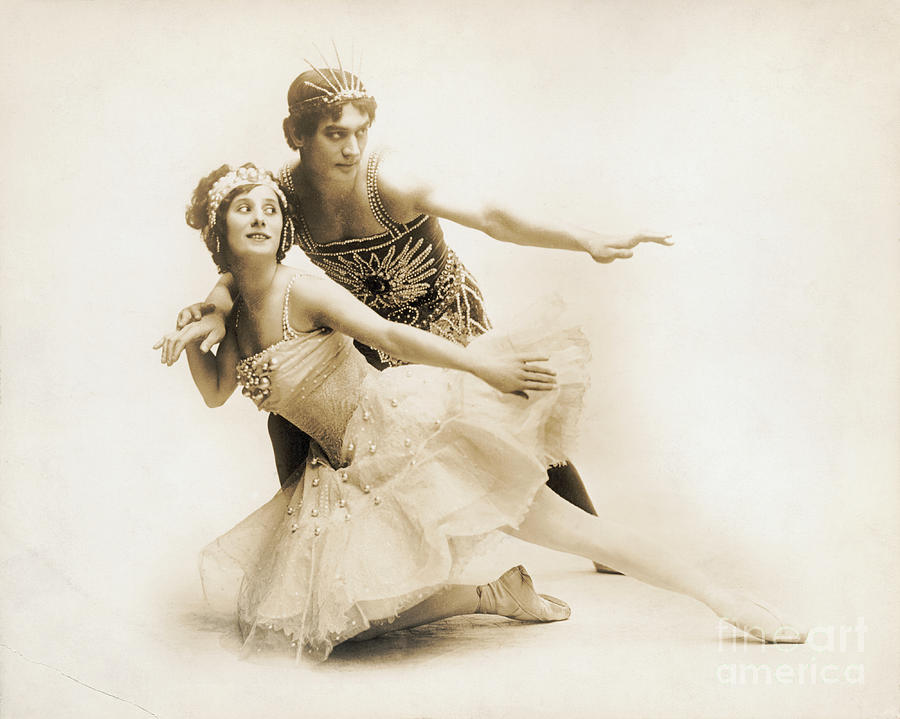
In the 1910s Pavlova left—or took extended leave from—the Imperial company and began to lead her own touring company. For many years she and her company traveled widely, performing across Europe, both Americas, India, Japan, Australia and South Africa. Those tours are commonly credited with introducing classical ballet to audiences in places where it had previously been little seen onstage, and they helped turn ballet into an international spectacle as companies crossed continents.
Her programs sometimes included themed offerings; on tour she engaged with younger artists and incorporated cross-cultural elements. Notably, she collaborated with Uday Shankar for Indian‑themed numbers within programs known as "Oriental Impressions," an example of how touring work could facilitate artistic exchange as well as performance.
Her Australasia tours in the 1920s (recorded as taking place in 1926 and again in 1929) entered popular memory in unexpected ways: the meringue dessert known as the pavlova is widely reported to have been named in her honour after these visits, a small cultural afterlife of touring celebrity.
Why Pavlova’s legacy still matters
Pavlova’s legacy rests on a combination of rigorous early formation, a defining solo, and a long career of international touring. The concentrated image of The Dying Swan and the practical reality of decades on the road created a double legacy: a performance icon that could be reproduced in print and film, and a living ambassador who helped seed audiences and interest in classical ballet across continents.
Film records and filmed excerpts were made in the 1920s — including a notable 1924 filming session — and later compilations preserve fragments of those recordings. Museum collections and exhibitions have preserved costumes, shoes and photographs associated with Pavlova, which keeps her visual identity active for contemporary audiences and scholars interested in the material culture of dance.
While some details of Pavlova’s biography and the exact metrics of her career remain the subject of scholarly debate or incomplete archival records, the broad contours are clear: her Mariinsky roots, the artistic partnership with Fokine over The Dying Swan, and the sustained international touring together created an imprint that carried classical ballet beyond traditional European centers.
Closing interpretation
Seen through a contemporary lens, Pavlova’s story is less a tidy timeline than a study in how a performer’s training, a signature work, and an entrepreneurial touring life combine to shape cultural memory. The image of the swan — fragile, concentrated, instantly legible — continues to be one of ballet’s most potent symbols, and it owes much of its resonance to the career Pavlova made around that solo. Her travels exported a vocabulary of classical performance and left visual traces that museums, film collections and audiences still return to when they seek the early twentieth-century roots of international ballet culture.
Author: Cynthia D.