How a Suspended Moment of Dance Turns an 'Aesthetic' Image into an Interior…
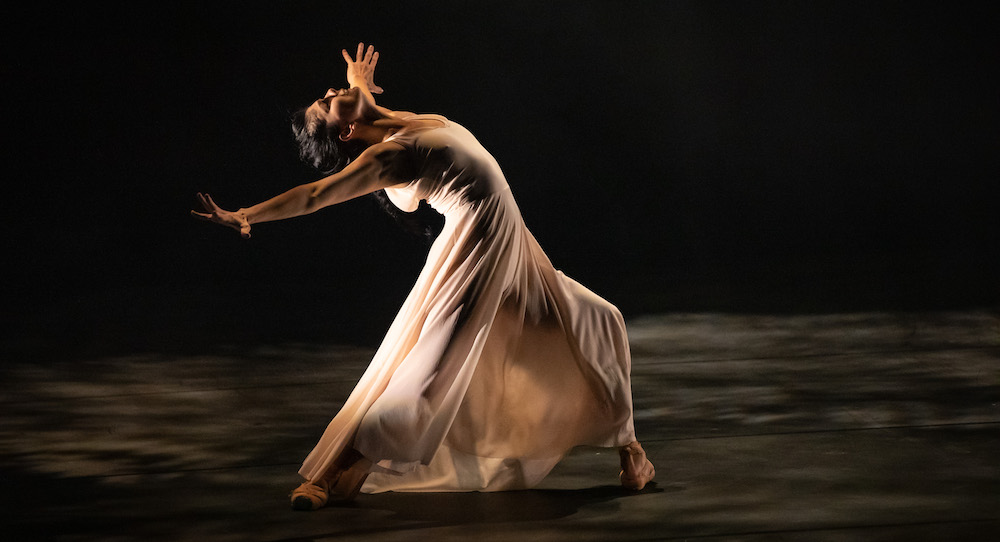
A single held gesture in dance can do more than freeze motion: it can recompose photography itself, concentrating light, silhouette and the sense of forward energy so that the image becomes an interior scene open to the viewer. Using Misty Copeland's public prominence as a contemporary exemplar, this essay traces why suspension—an intentional lingering of peak movement—shifts choreography into pictorial space and how that effect connects to training, stage identity and photographic practice.
Quick answer
Suspension in dance concentrates compositional forces—light, silhouette, and implied momentum—so a frozen moment reads as interior space. Misty Copeland, as a high-profile contemporary ballerina, often serves in public discourse and visual culture as an exemplar of photographed dance.
What this article explains
- How suspension functions in choreography and photography.
- Why a held moment reorganizes light and silhouette into scene-like space.
- How training and stage practice enable the clarity that photographic suspension requires.
WHAT BALLET TRAINING REALLY MEANS
Ballet training is the daily work that makes a decisive photographic moment possible. It is not merely decorative: training builds muscle memory, alignment and control that allow a dancer to find and sustain a peak with clarity. That discipline is a precondition for any successful suspension in performance or image-making—without it the pose will read as accidental rather than intentional.
BARRE, CENTRE, AND TECHNICAL REPETITION
Daily structure—barre, centre work, and focused technical repetition—creates the grammar of the body. Repetition refines lines, timing and weight distribution so a peak can be held without collapse or over-tension. Photographers working with dancers rely on that steadiness: a frozen moment must retain the subtle signs of rehearsal and correction that let viewers sense effort and ease simultaneously.
STRENGTH, MOBILITY, AND CONTROL
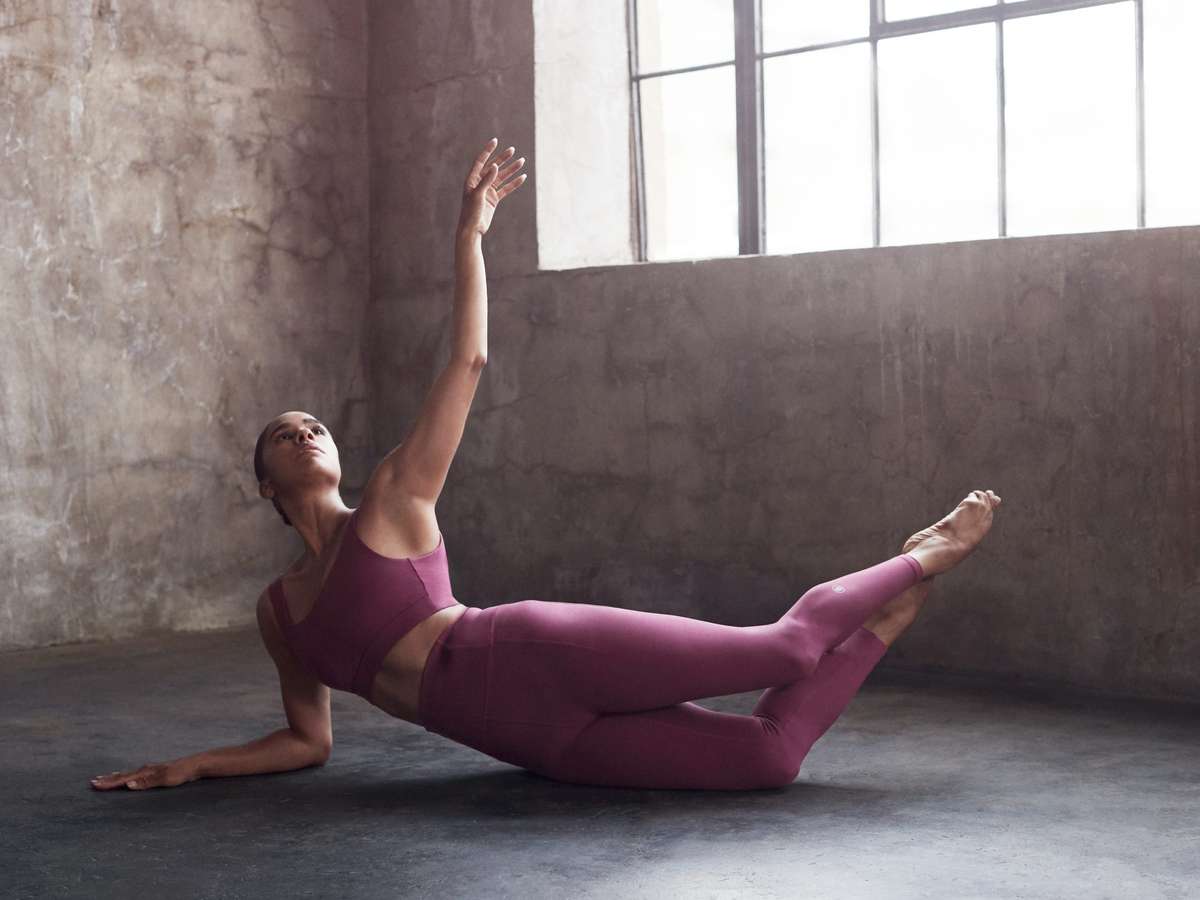
A photographed suspension asks for both mobility and sustained control. Strength organizes a pose so light becomes legible across planes of the body; mobility allows an expressive line that carries implied motion. The visual concision of silhouette depends on these bodily qualities, which training cultivates over years.
POINTE WORK AND SPECIFIC LOAD
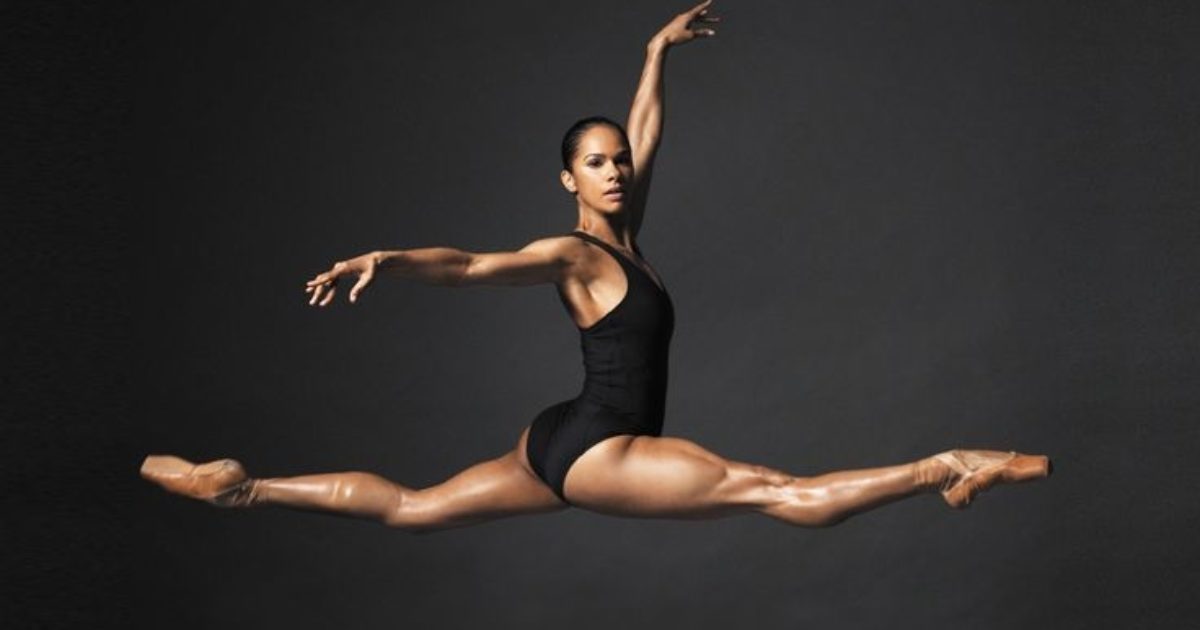
Pointe work changes how a dancer bears weight and how light falls along the leg and foot. The particular load and alignment required on pointe accentuate line and can sharpen silhouette in a photograph. Because pointe introduces distinct mechanical demands, consistent technical training and foot conditioning are essential if a suspended photographic moment is to read as elegant rather than strained.
REHEARSAL, MEMORY, AND ARTISTIC SHAPING
Beyond pure technique, rehearsal and memory shape phrasing so that suspension reads as expressive choice. Choreographic suspension—or the decision to linger—frames a musical peak or narrative breath. When photographers capture that pause, the image often becomes narratively open: viewers infer before and after, turning a single frame into an interior psychological scene.
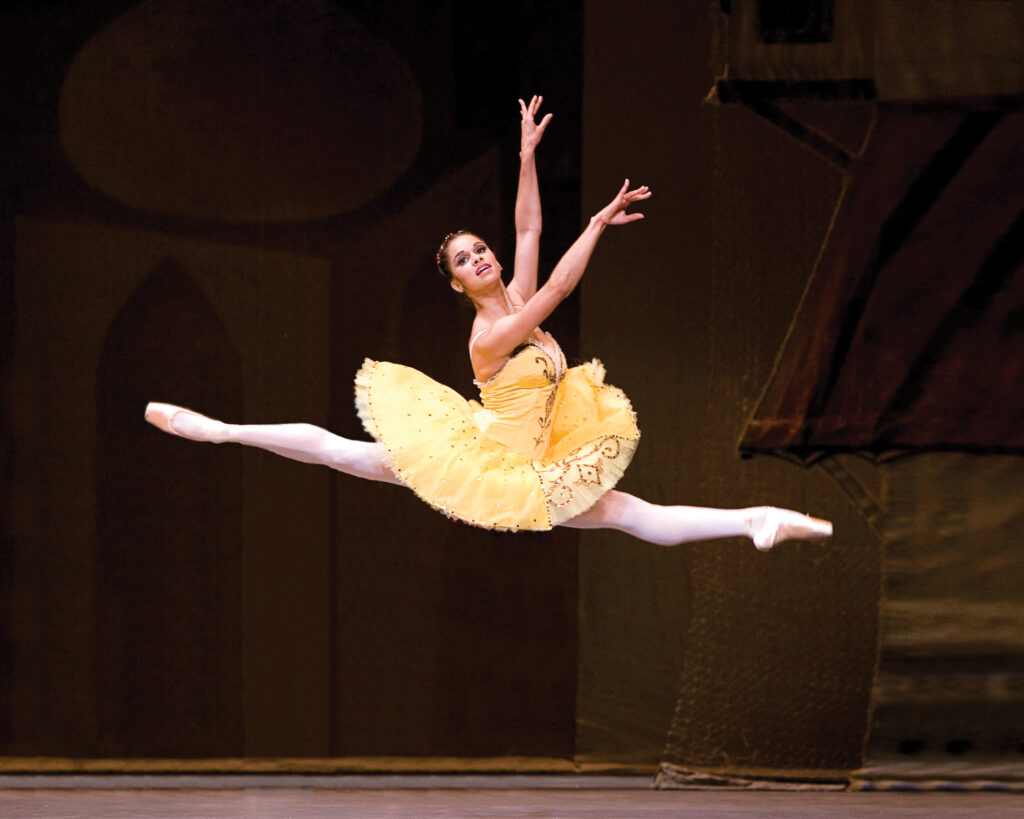
SUSPENSION IN CHOREOGRAPHY AND PHOTOGRAPHY
Dance scholarship recognizes suspension as a choreographic quality used to emphasize peaks and dilate time. Photographic practice complements this: freezing a decisive moment concentrates compositional forces so that light, line and implied momentum converge at a visual center. Theories of embodied simulation and kinesthetic empathy help explain why viewers respond strongly—our perception simulates the held motion, and the image opens onto an imaginative space.
RECOVERY, PAIN MANAGEMENT, AND LONGEVITY
Maintaining the capacity for clear, sustained suspension depends on recovery and careful body maintenance. Fatigue or unmanaged pain reduces the ability to hold an exact line; sustainable discipline supports the technical clarity that photography needs. Long-term training routines, sensible recovery and measured conditioning preserve the subtle muscular control behind a photographed pause.
THE MENTAL SIDE OF THE STUDIO
Concentration, the culture of correction and psychological discipline are central. A suspended moment is as much an attentional achievement as a physical one: it requires the dancer to inhabit an instant fully, to calibrate intention and to accept corrective input. This mental acuity makes a frozen pose read as a conscious scene rather than a mere snapshot.
CLOSING INTERPRETATION
When a photographer captures a held dance moment, the resulting image can feel like an interior stage—private, charged and open to interpretation. Misty Copeland’s public role and visibility in visual culture position her as a contemporary exemplar for how a high-profile dancer can embody that effect: she is widely recognized in the press and public discourse as a leading American ballerina, and her prominence helps illustrate how suspension in dance becomes a photographic device. Dance pedagogy and visual studies together show that suspension concentrates light, silhouette and momentum into a pictorial center that invites spectator engagement through embodied simulation.
Author: Cynthia D.